Essential Care for Healthy Teeth & Gums
Your dental needs can change over time. Whether you are visiting for a routine examination, professional cleaning, a damaged filling or a specific concern, your dentist will assess your oral health and explain which treatment or monitoring is appropriate.
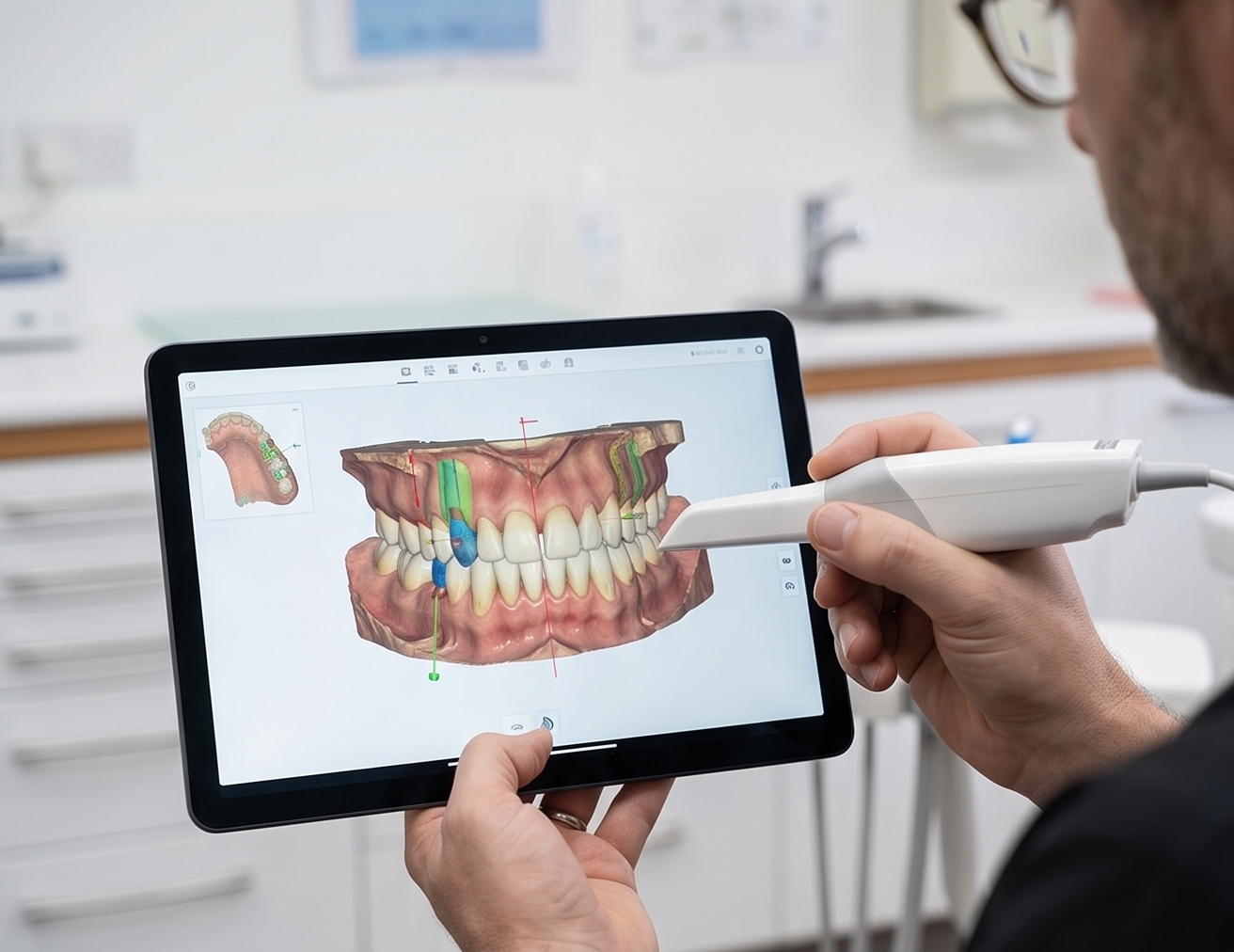
Know What Is Healthy, What Needs Care & What Can Wait
Regular dental examinations help identify changes in your teeth, gums, bite and existing dental work before some problems become more difficult to manage. During your check-up, we review your dental and medical history, examine your mouth and explain the findings clearly so you understand what needs treatment, what can be monitored and when you should return.
- Checks teeth for decay, cracks, wear and other changes
- Reviews gum health and signs of inflammation
- Assesses existing fillings, crowns, implants and dentures
- Reviews bite and selected jaw-related concerns
- Considers relevant medical history, medication and habits
- Creates an individual follow-up and prevention plan
Before & After
Real results from patients who underwent a Dental Check-Up at our clinic.
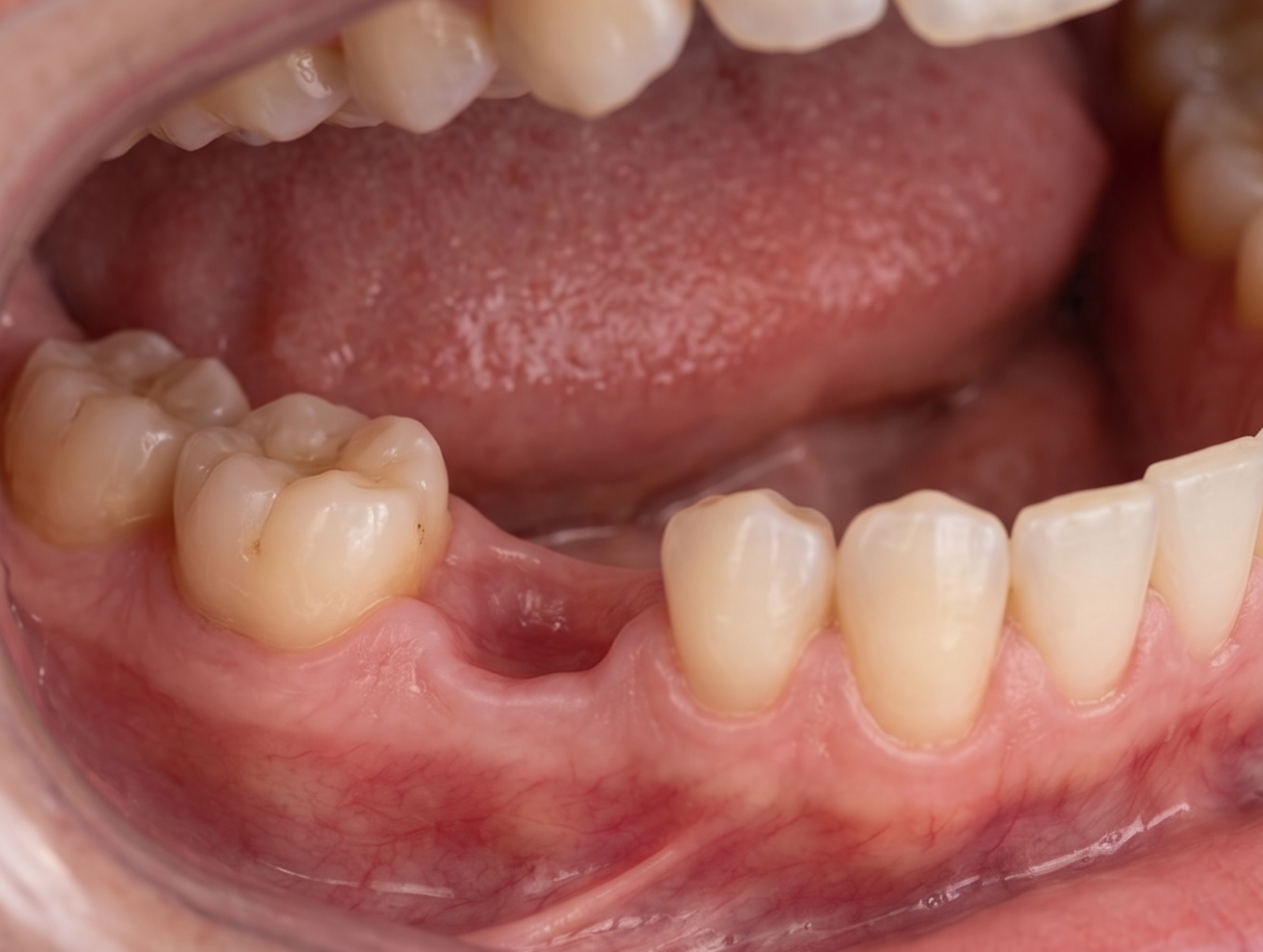
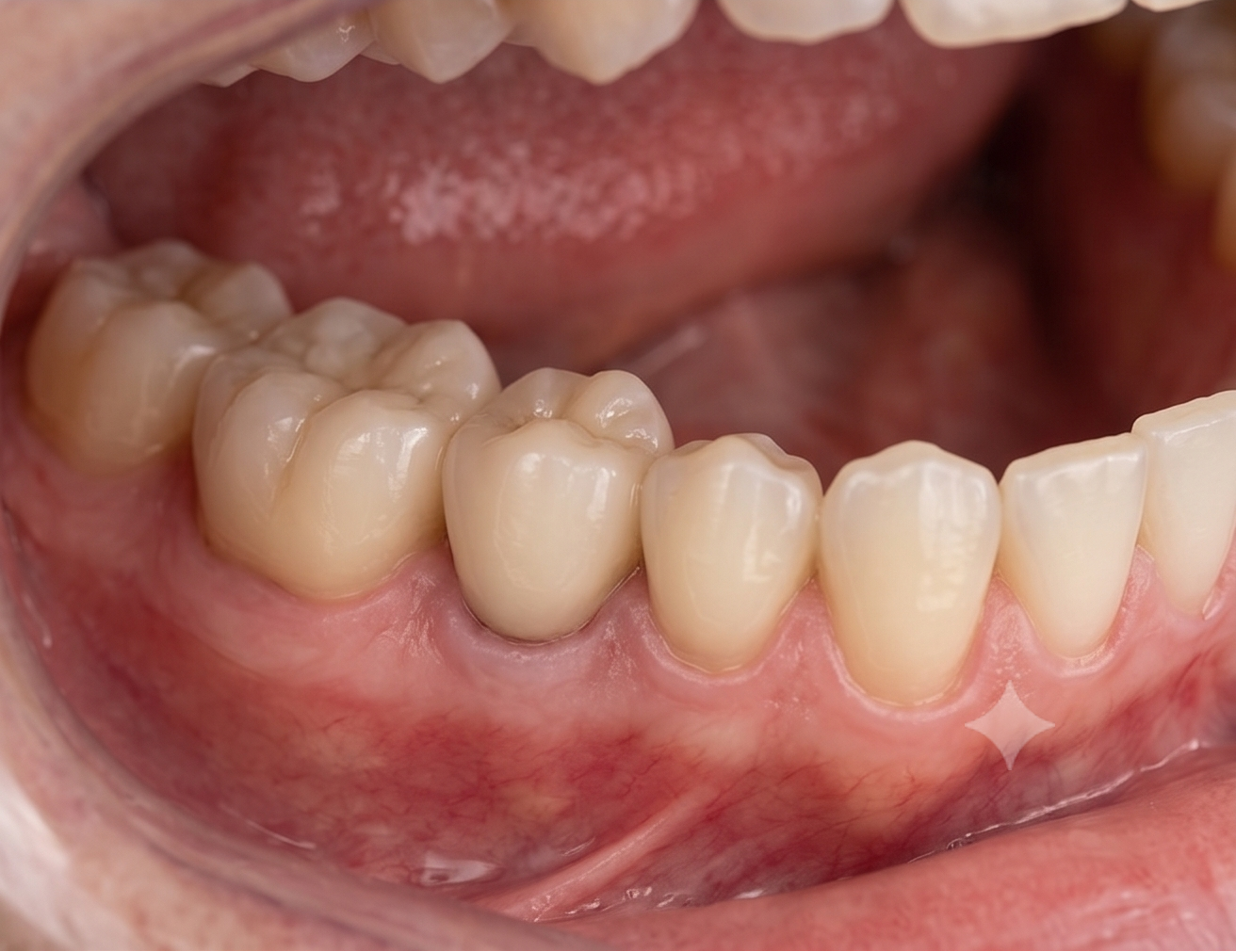
Tell us about pain, sensitivity, bleeding gums, previous treatment, medical conditions or anything you would like checked.
Your dentist assesses the teeth, gums, bite, existing restorations and visible oral tissues.
Existing dental records are reviewed first. New X-rays or other imaging are recommended when they are likely to provide useful diagnostic information.
We show you what we have identified and separate urgent treatment, preventive care, monitoring and elective options.
You receive a practical treatment and recall plan and can ask questions before deciding how to proceed.
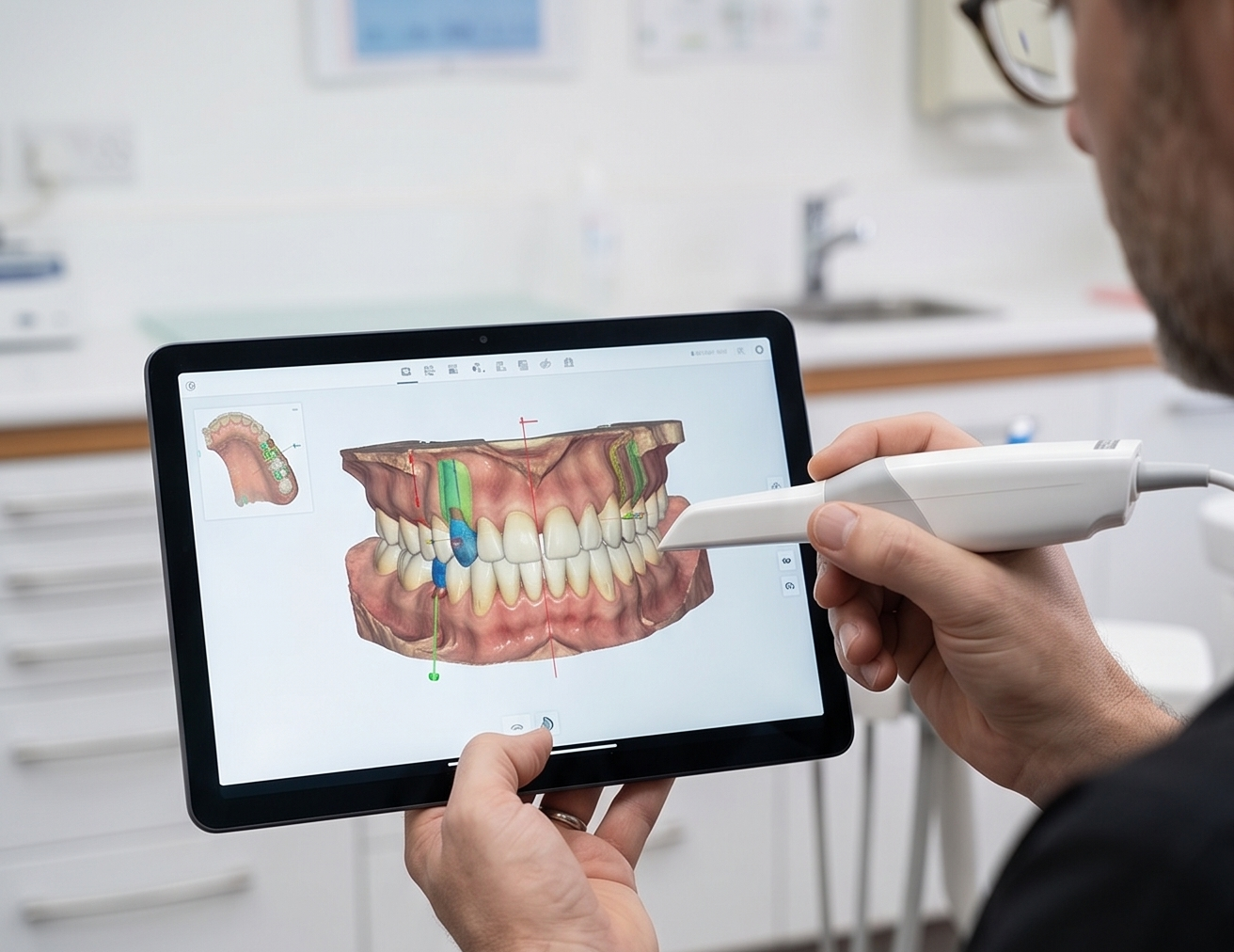
Remove Plaque, Calculus & Surface Staining
Even with regular brushing and interdental cleaning, hardened calculus can build up in areas that are difficult to clean at home. Professional scaling removes plaque and calculus from accessible tooth surfaces and around the gumline, while polishing helps smooth the teeth and remove many external stains. If your examination shows deeper gum pockets or periodontal disease, your dentist may recommend more extensive gum treatment rather than routine cleaning alone.
- Removes hardened calculus that brushing cannot remove
- Reduces plaque-retentive deposits around the gumline
- Removes many surface stains from tea, coffee and smoking
- Makes gum inflammation easier to evaluate
- Provides an opportunity to review brushing and interdental cleaning
- Helps support ongoing preventive dental care
Before & After
Real results from patients who chose Root Canal Retreatment at our clinic.
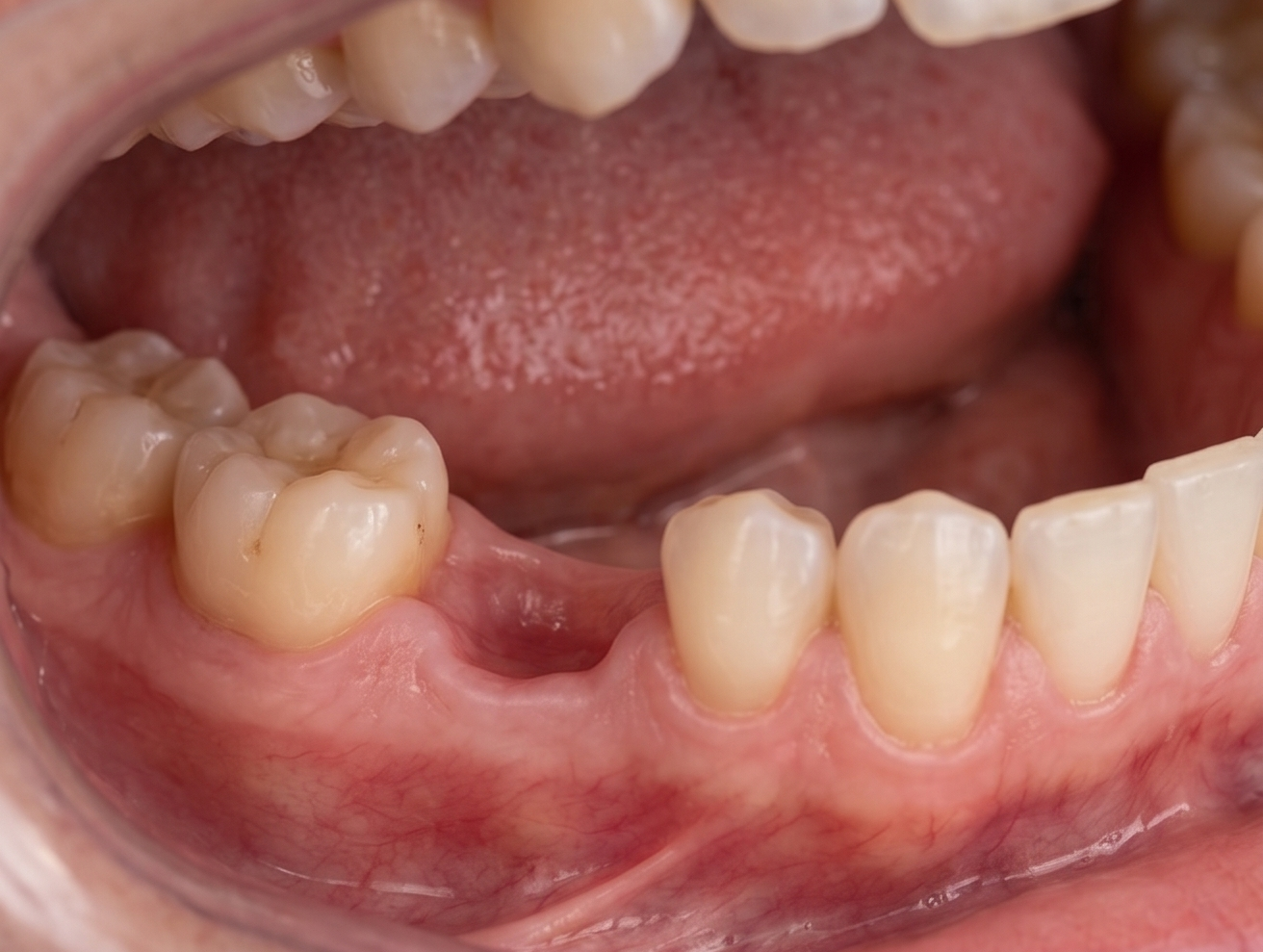
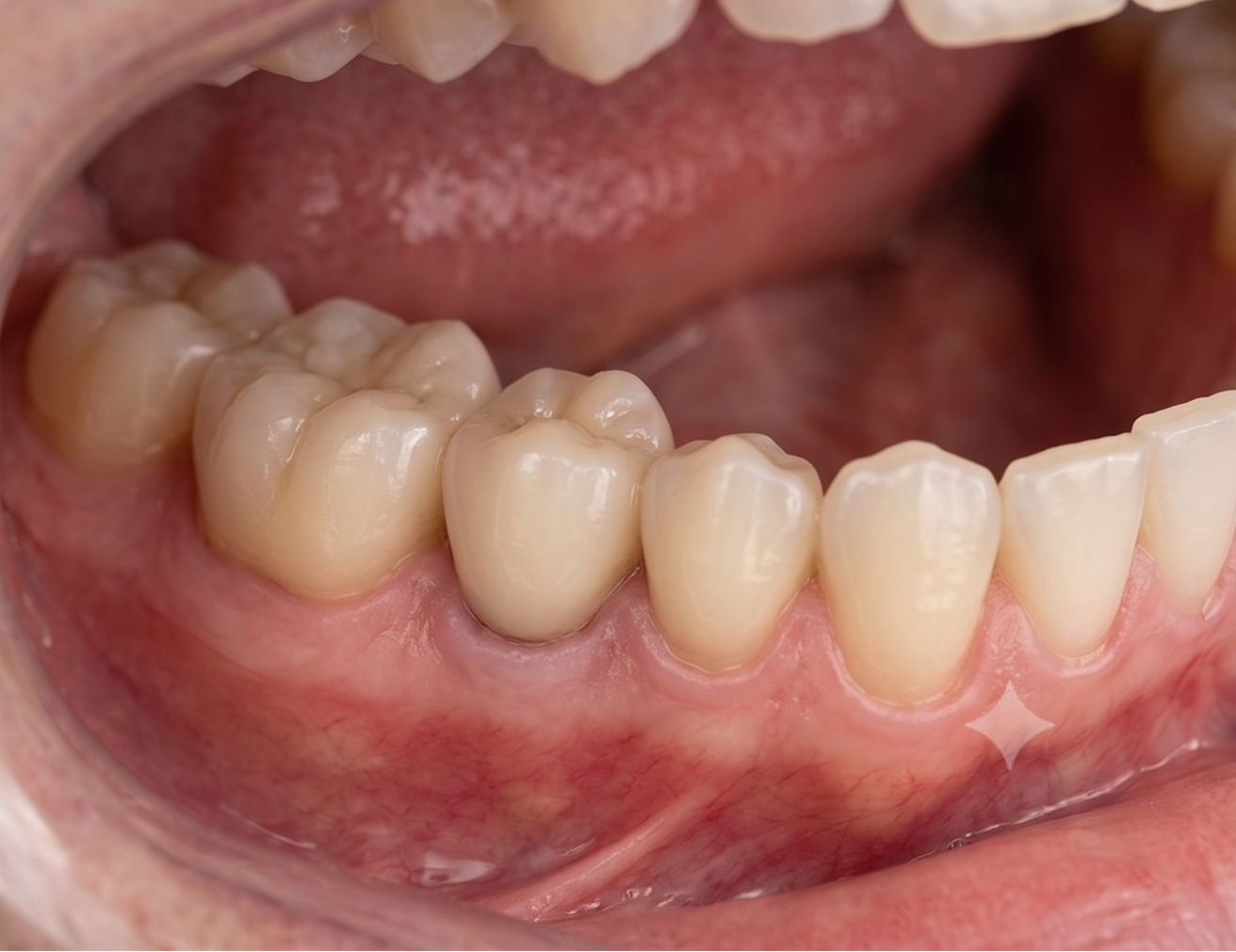
We check for deposits, gum inflammation, bleeding, sensitivity and deeper periodontal pockets.
Ultrasonic and hand instruments are used as appropriate to remove deposits from accessible tooth surfaces.
Polishing helps remove selected surface stains and smooth the cleaned areas.
Your dentist reviews sensitive or inflamed areas and explains whether routine maintenance or additional periodontal treatment is appropriate.
You receive practical guidance on brushing, interdental cleaning and an appropriate maintenance interval.

Repair Decay with a Natural-Looking Restoration
Tooth-coloured composite fillings are used to repair selected cavities, small fractures and damaged areas while preserving as much healthy tooth structure as reasonably possible. Composite resin is bonded directly to the tooth and shaped to restore its natural contour, contact with neighbouring teeth and bite. For larger or structurally weakened teeth, an onlay or crown may provide more appropriate protection than a filling.
- Repairs cavities and selected small fractures
- Matches the surrounding tooth more naturally than metallic fillings
- Bonds directly to prepared tooth structure
- Restores tooth shape and contact with neighbouring teeth
- Allows conservative repair in suitable cases
- Can often be repaired if a small area later chips or wears
Before & After
Real results from patients who chose Tooth-Coloured Fillings at our clinic.
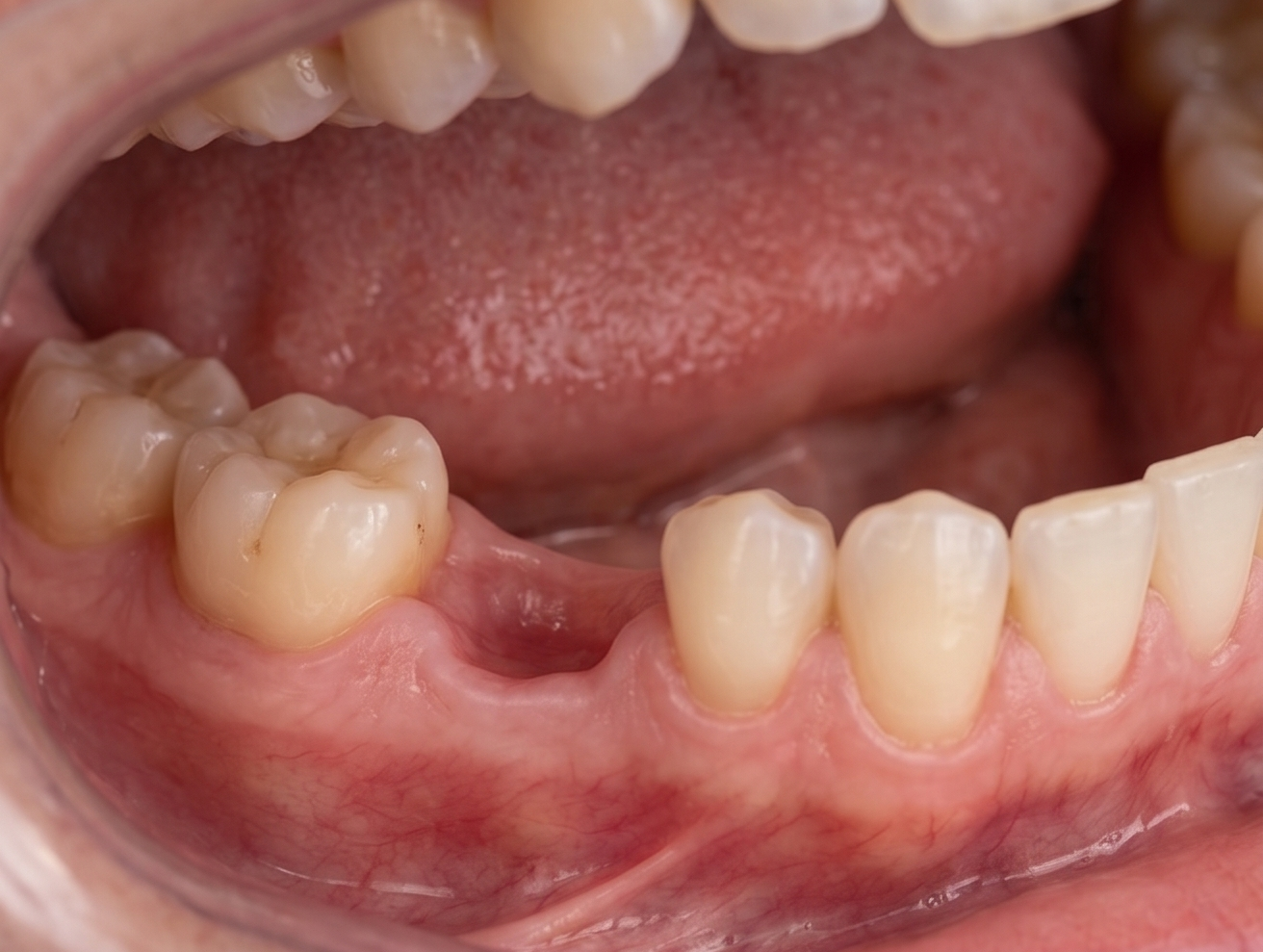
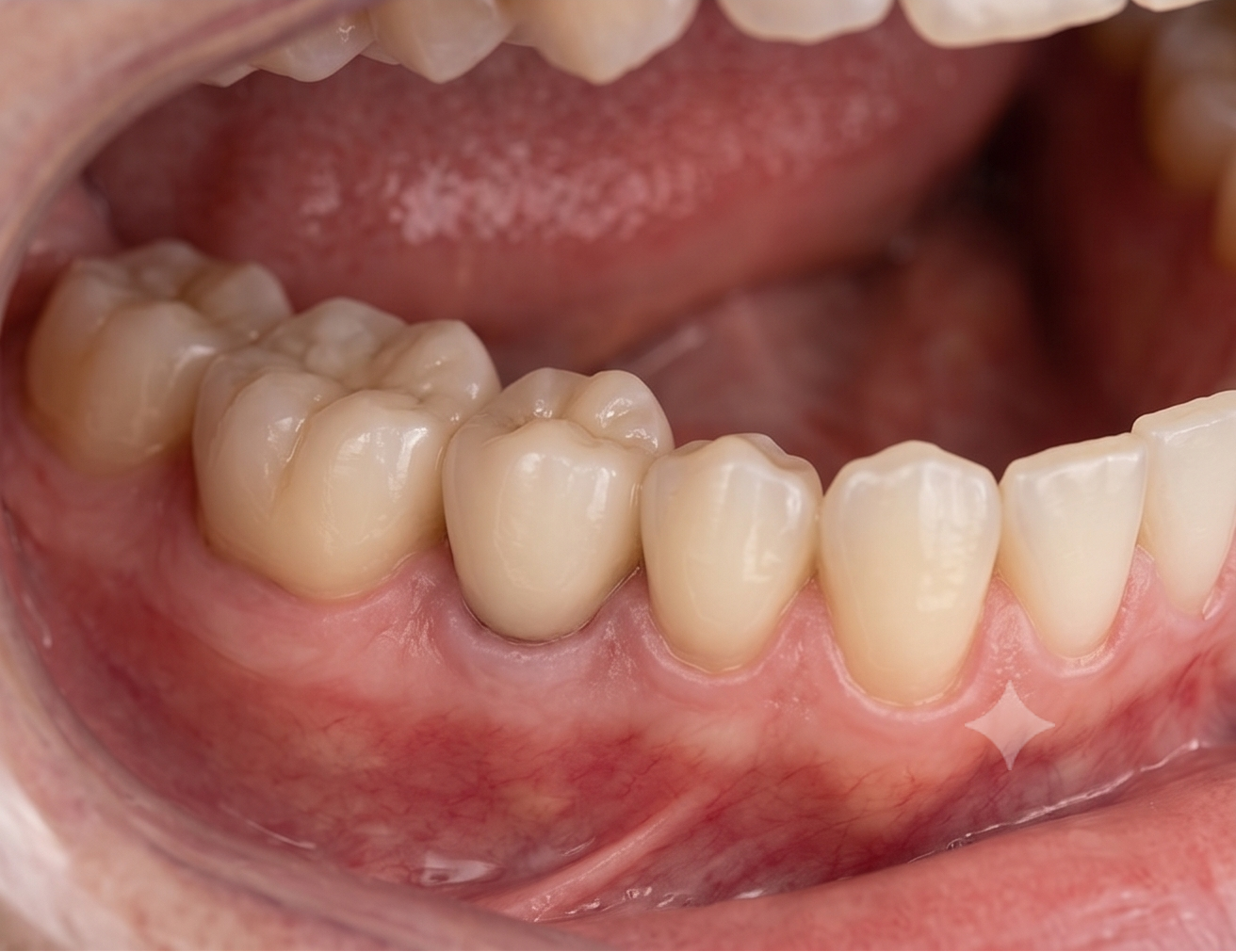
We assess the cavity, fracture, symptoms and remaining healthy tooth structure. X-rays are recommended when they provide useful information.
Local anaesthesia is used when appropriate, and the treatment area is kept clean and dry for reliable bonding.
Damaged and unsupported tooth structure is removed while preserving healthy tissue wherever possible.
Tooth-coloured composite resin is placed, hardened and shaped to rebuild the missing portion of the tooth.
The restoration is refined, polished and checked against the opposing teeth.
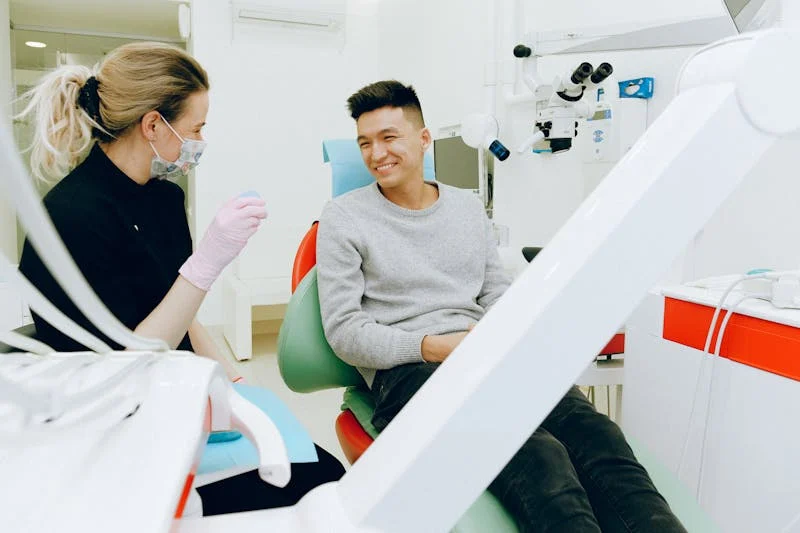
See What a Visual Examination Cannot Show
Some dental conditions involve structures beneath the surface that cannot be fully assessed by visual examination alone. Digital dental X-rays provide focused two-dimensional information, while 3D CBCT imaging may be recommended when a clinical question requires additional information about teeth, roots, bone or surrounding anatomy. We select imaging according to the individual diagnostic need rather than using the same scan for every patient.
- Reveals decay, roots, bone and impacted teeth hidden from direct view.
- Supports implant, endodontic, surgical and orthodontic planning.
- Creates digital records that can be compared over time.
- Uses a focused field and exposure selected for the clinical question.
- Makes complex anatomy easier to explain before treatment.
Before & After
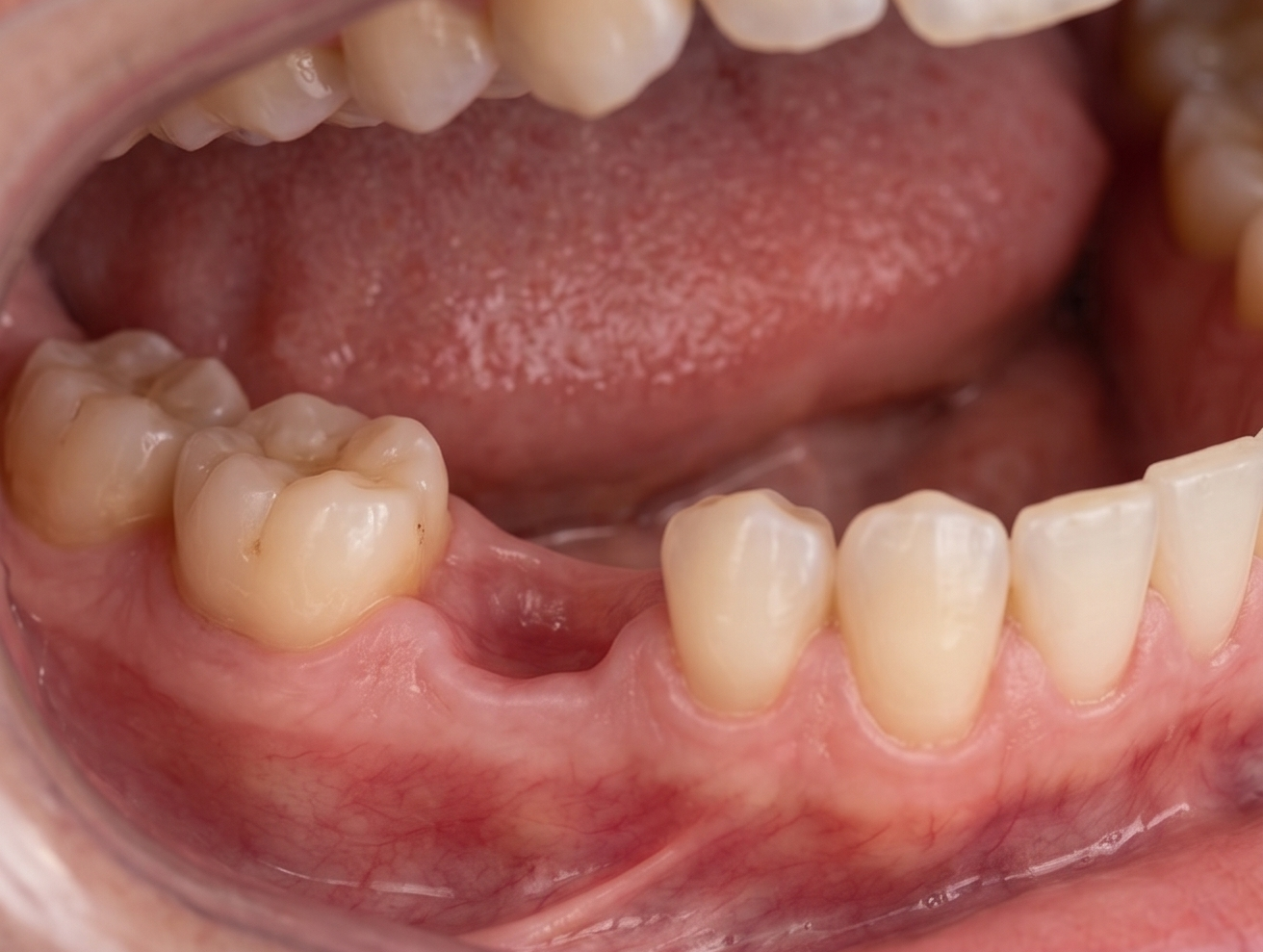
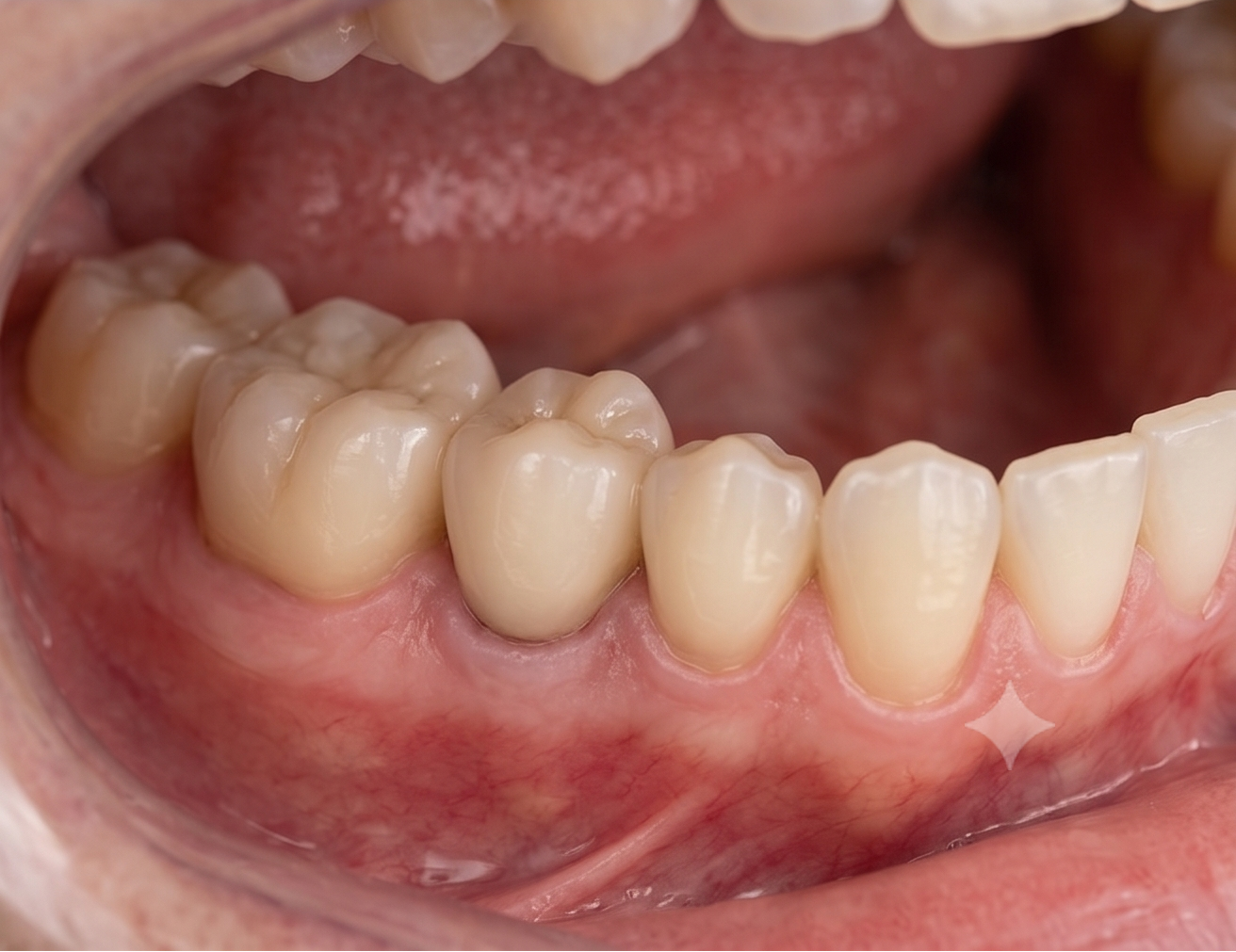
Real results from patients who chose Dental X-rays & 3D CBCT Imaging at our clinic.
Your dentist first examines the area and reviews your symptoms and any recent imaging.
A bitewing, periapical, panoramic X-ray or CBCT scan is chosen according to the information required.
The selected digital image is taken using appropriate positioning and clinical protocols.
Your dentist interprets the image together with your symptoms and clinical examination.
Relevant findings are explained and used to guide treatment, monitoring or referral when appropriate.