+66 83 821 6888 Mon–Sun: 9:00 AM – 8:00 PM Thailand
BRACES, INVISALIGN & ORTHODONTICS IN PHUKET

Straighten Your Smile With a
Plan Built Around Your Bite

Crowding, gaps and bite problems can affect appearance, cleaning and function. At Tharish Dental Clinic in Phuket, orthodontic treatment begins with an assessment of your teeth, gums, bite and treatment goals before we compare braces, Invisalign or other clear-aligner options. Retention is planned from the beginning so that maintaining the final tooth position is part of the treatment—not an afterthought. Located in Thalang near Phuket International Airport, Nai Yang and Sakhu.

Digital Individual Adults & Children Retention
ORTHODONTIC TREATMENTS IN PHUKET

Find the Right Approach for Your Teeth & Bite

There is no single orthodontic appliance that is best for every patient. The appropriate treatment depends on tooth position, bite, gum health, age, growth, treatment complexity, lifestyle and how consistently an appliance can be used. After assessment, we explain which options are suitable and why.
Reliable Control for Simple & Complex Tooth Movement
METAL BRACES IN PHUKET

Reliable Control for Simple & Complex Tooth Movement

Metal braces use fixed brackets and wires to gradually move teeth into planned positions. Because the appliance stays attached to the teeth throughout treatment, braces can provide consistent control without depending on daily aligner wear. They may be suitable for a wide range of crowding, spacing and bite problems in both teenagers and adults.

Fixed
Continuous Treatment
Versatile
Wide Range of Cases
Controlled
Detailed Tooth Movement
Monitored
Regular Progress Reviews
  • Treats many types of crowding, spacing and bite problems
  • Does not rely on remembering to wear removable trays
  • Allows controlled movement of tooth position and roots
  • Can use elastics or other orthodontic auxiliaries when required
  • Suitable for many adolescent and adult cases
  • Progress can be adjusted throughout treatment
Patient Results

Before & After

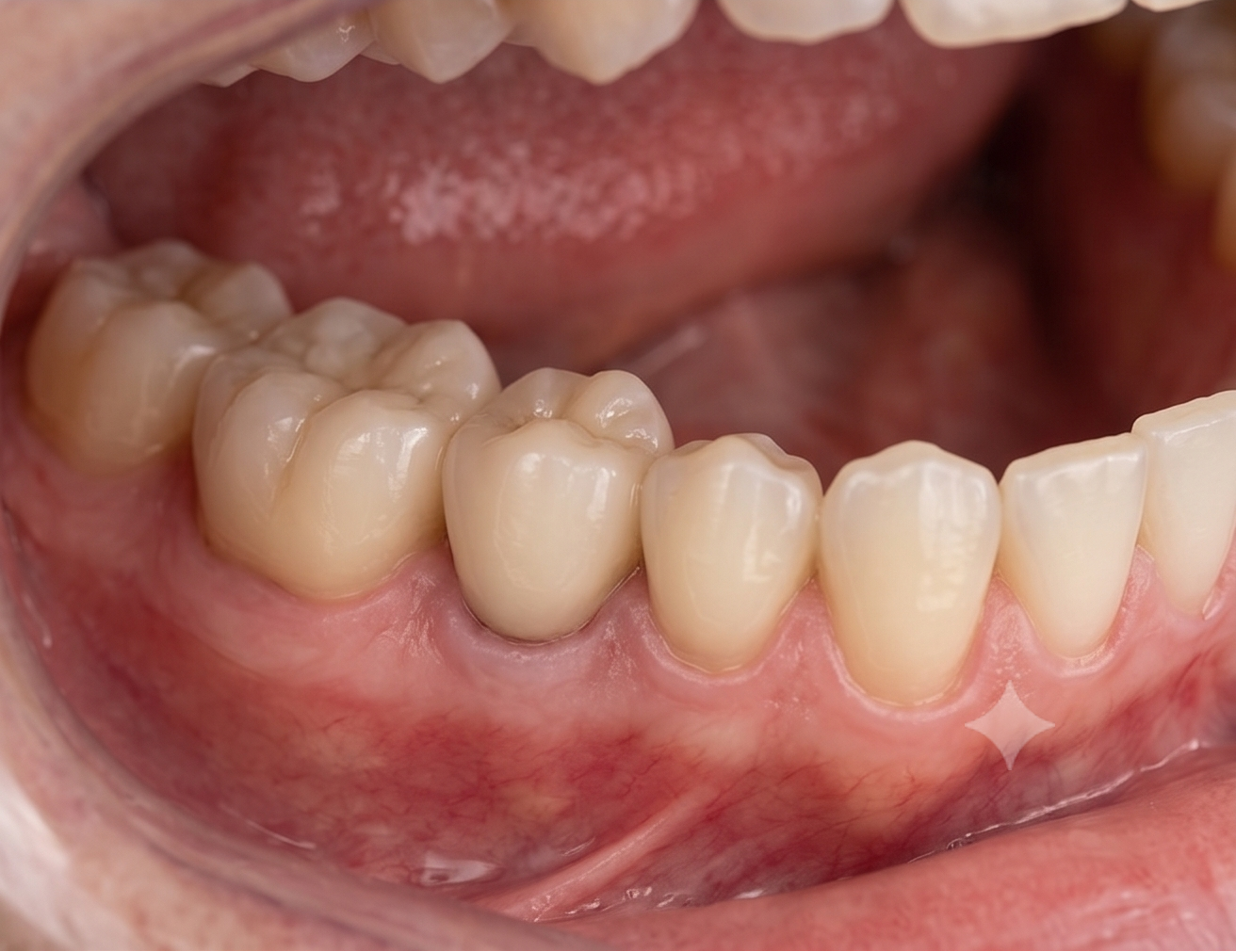
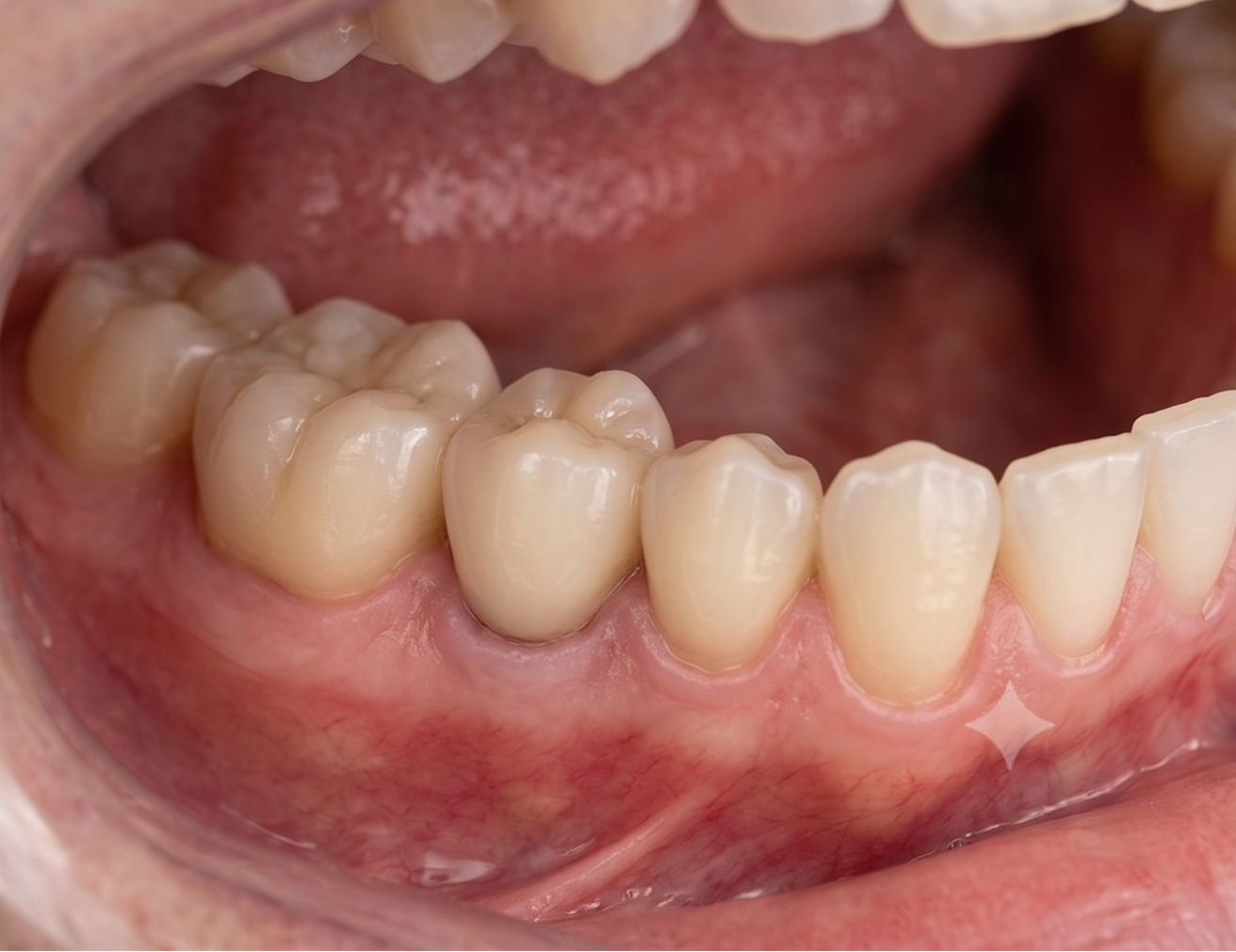
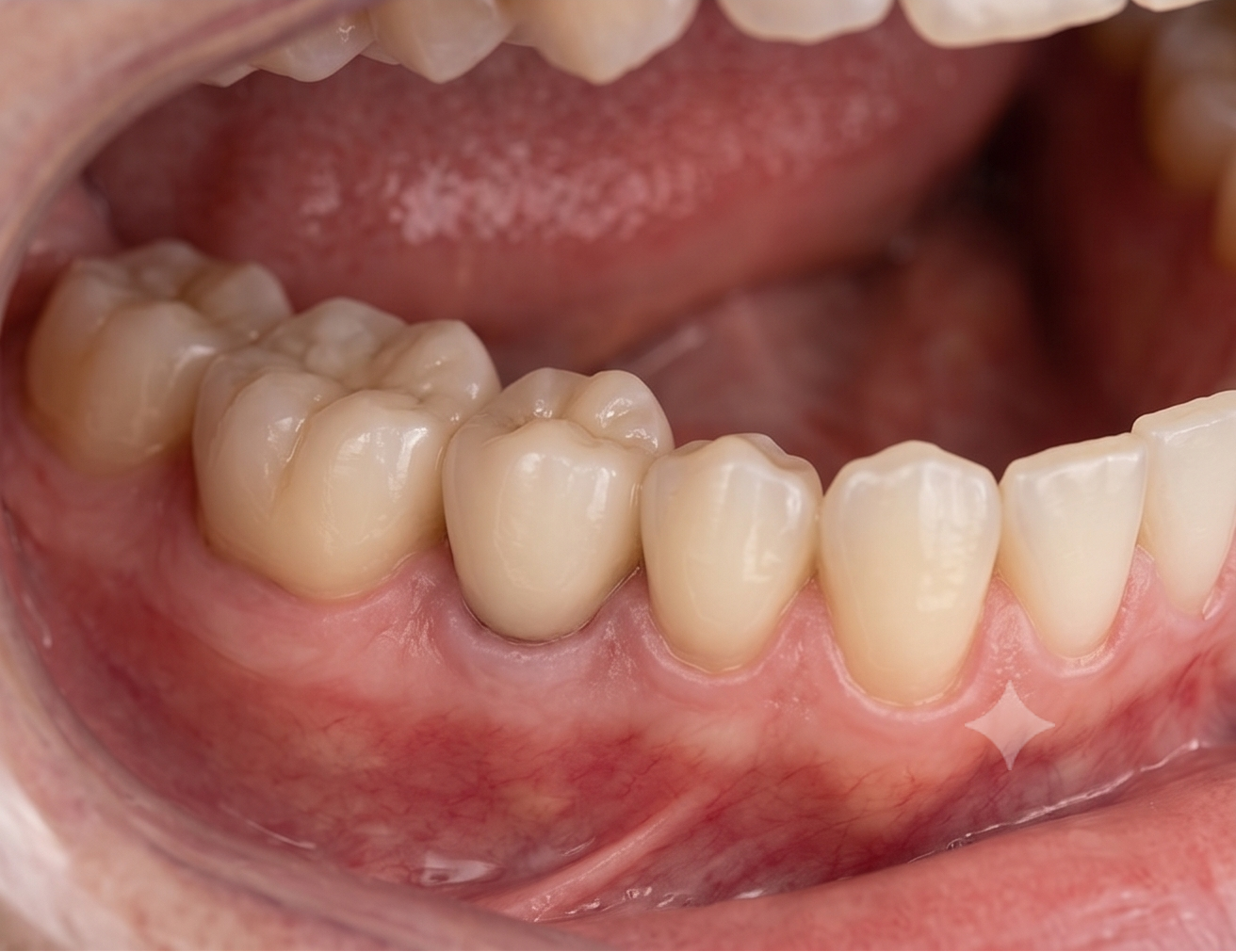
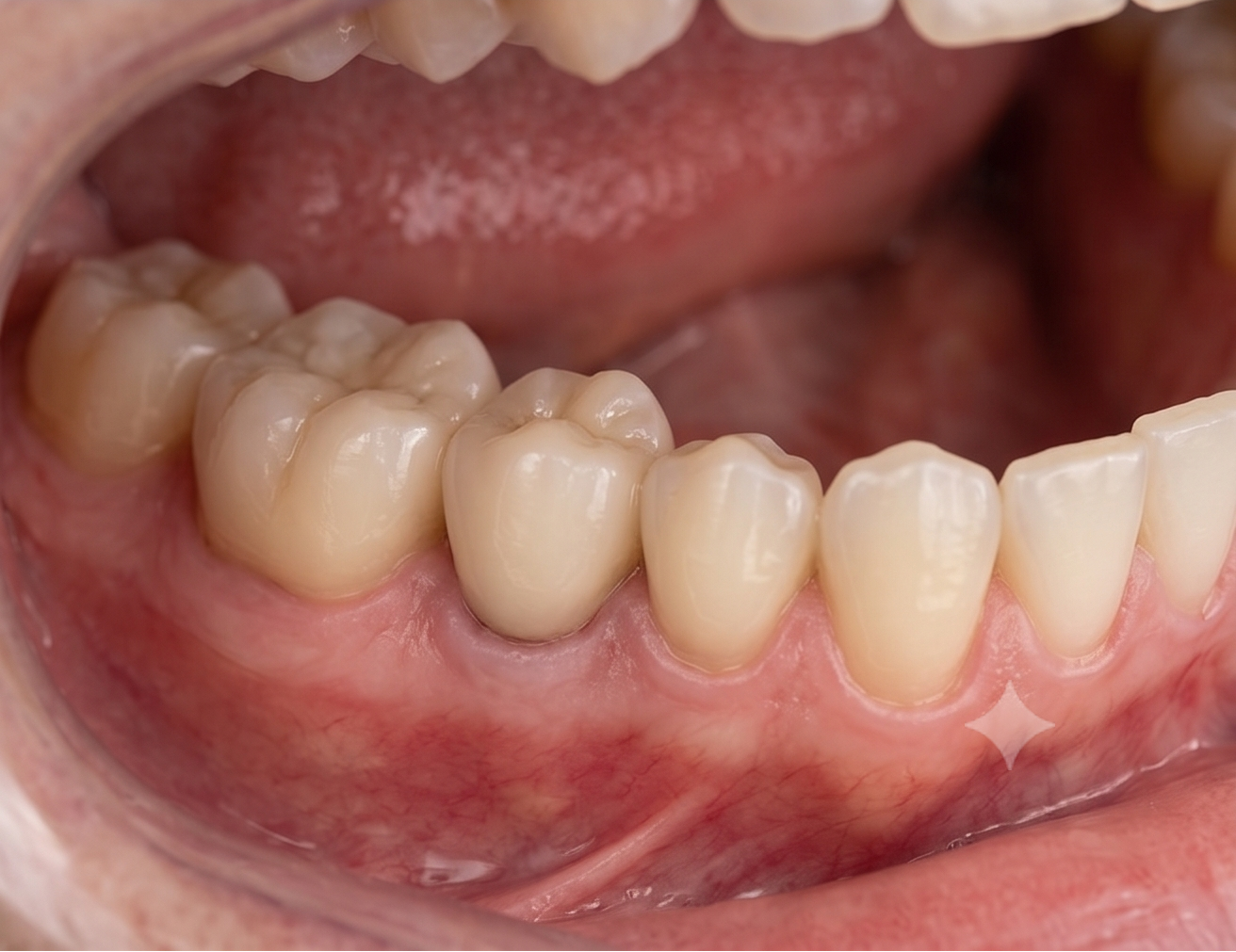
Real results from patients who underwent Metal Braces at our clinic.
Before After

Treatment Process
1
Complete the Orthodontic Assessment

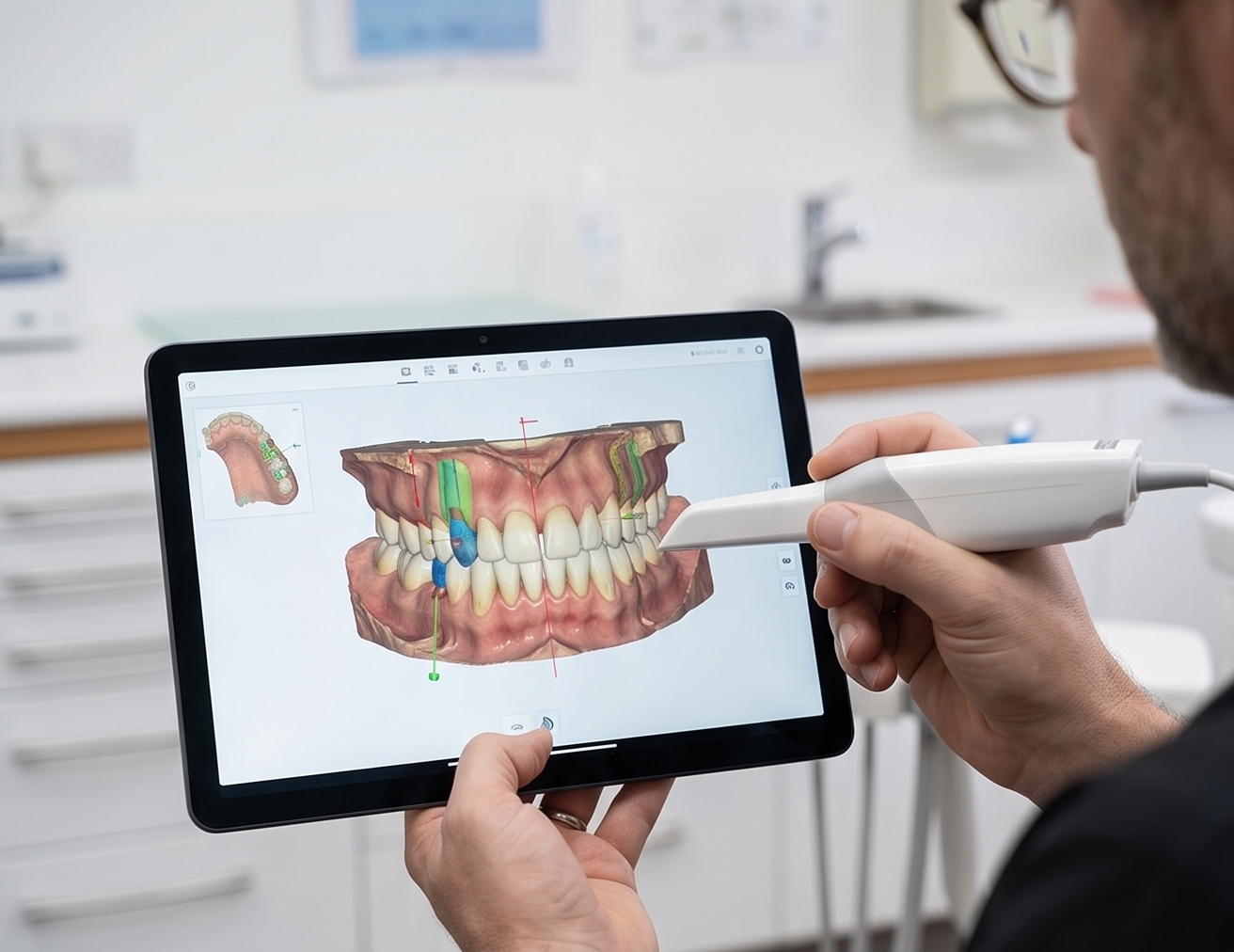
We examine your teeth, gums and bite and take photographs, digital scans and appropriate imaging when required.

2
Create the Treatment Plan

Your plan explains the intended tooth movements, bite objectives, expected treatment stages and any additional appliances that may be needed.

3
Fit the Braces

Brackets are bonded to the teeth and the first orthodontic wire is placed. You will receive instructions about cleaning, eating and managing temporary tenderness.

4
Adjust & Monitor

Regular review appointments allow the orthodontic forces to be adjusted and tooth movement, bite and gum health to be monitored.

5
Remove the Braces & Begin Retention

Once the treatment objectives are reached, the braces are removed and retainers are fitted to help maintain the new tooth positions.
Book Consultation
Straighten Suitable Smiles With Removable, Discreet Aligners
INVISALIGN & CLEAR ALIGNERS IN PHUKET

Straighten Suitable Smiles With Removable, Discreet Aligners

Invisalign and other clear-aligner systems use a sequence of custom-made removable trays to gradually move teeth into planned positions. They can be an attractive option for patients who prefer a less visible orthodontic appliance and want to remove their aligners for eating, brushing and flossing. Suitability depends on the type and complexity of tooth movement required, and successful treatment depends heavily on consistent wear. Invisalign states that most patients are advised to wear their aligners for approximately 20–22 hours per day.

Clear
Discreet Appearance
Removable
Meals & Oral Hygiene
Digital
3D Treatment Planning
Wear-Dependent
Consistency Matters
  • Less visible than conventional metal braces
  • Can be removed for meals and oral hygiene
  • Uses digitally planned staged tooth movement
  • Allows treatment progress to be reviewed throughout the sequence
  • May include attachments or elastics when required
  • Refinement aligners may be recommended when additional movement is needed
Patient Results

Before & After

Real results from patients who chose Clear Aligners at our clinic.
Before After

Treatment Process
1
Confirm Suitability

We assess your teeth, bite, gums, restorations and required movements to determine whether Invisalign, another clear-aligner system or braces is more appropriate.

2
Create the Digital Treatment Plan

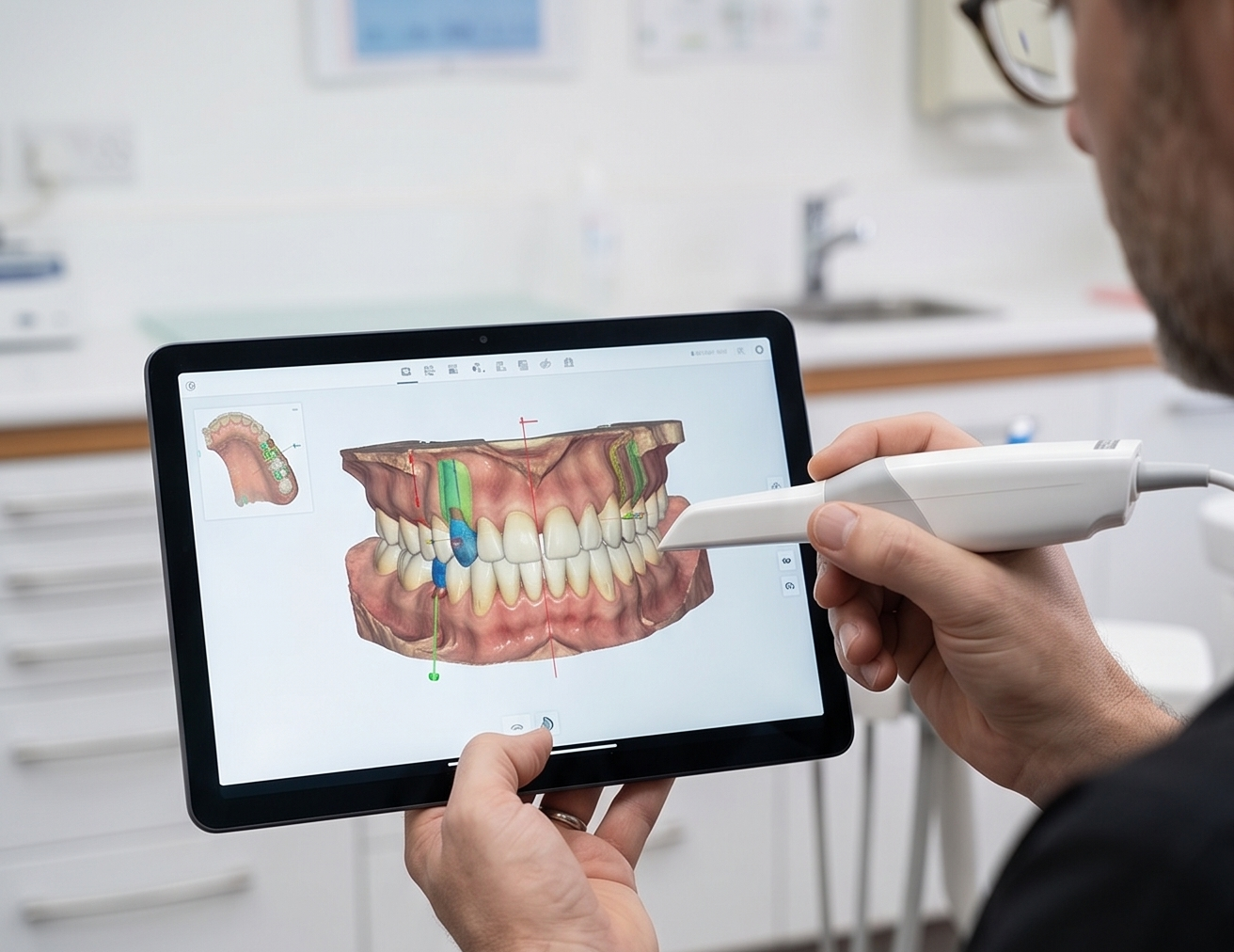
Digital scans, photographs and appropriate imaging are used to plan the sequence of tooth movement. Where applicable, a digital simulation can help explain the proposed treatment.

3
Fit Your First Aligners

Your aligners are checked for fit and you learn how to insert, remove, clean and store them. Attachments or elastics may be added when required.

4
Wear, Review & Refine

Aligners are worn according to the prescribed schedule. Progress appointments assess tooth movement, tray fit and bite and determine whether refinements are required.

5
Complete Treatment & Retain the Result

When active movement is complete, retainers are fitted and a long-term retention plan is provided.
Book Consultation
Monitor Growth & Treat Selected Problems at the Right Time
CHILDREN'S ORTHODONTICS IN PHUKET

Monitor Growth & Treat Selected Problems at the Right Time

Interceptive orthodontics is early orthodontic care provided while a child's jaws and permanent teeth are still developing. The goal is not to start braces early for every child. Instead, early assessment can identify selected problems involving jaw width, crossbite, eruption, crowding or tooth position where treatment during growth may provide an advantage. The American Association of Orthodontists recommends a first orthodontic check-up no later than age 7, although most children assessed at that age do not immediately begin treatment.

Age 7
Recommended First Check
Growth-Based
Timing Matters
Selective
Treat Only When Needed
Monitored
Development Reviewed
  • Identifies developing bite and eruption problems early
  • Allows jaw growth and tooth eruption to be monitored
  • May guide selected crossbites or narrow arches during growth
  • Can help manage limited space or blocked eruption in appropriate cases
  • May simplify later orthodontic treatment in selected patients
  • Avoids unnecessary treatment when monitoring is the better option
Patient Results

Before & After

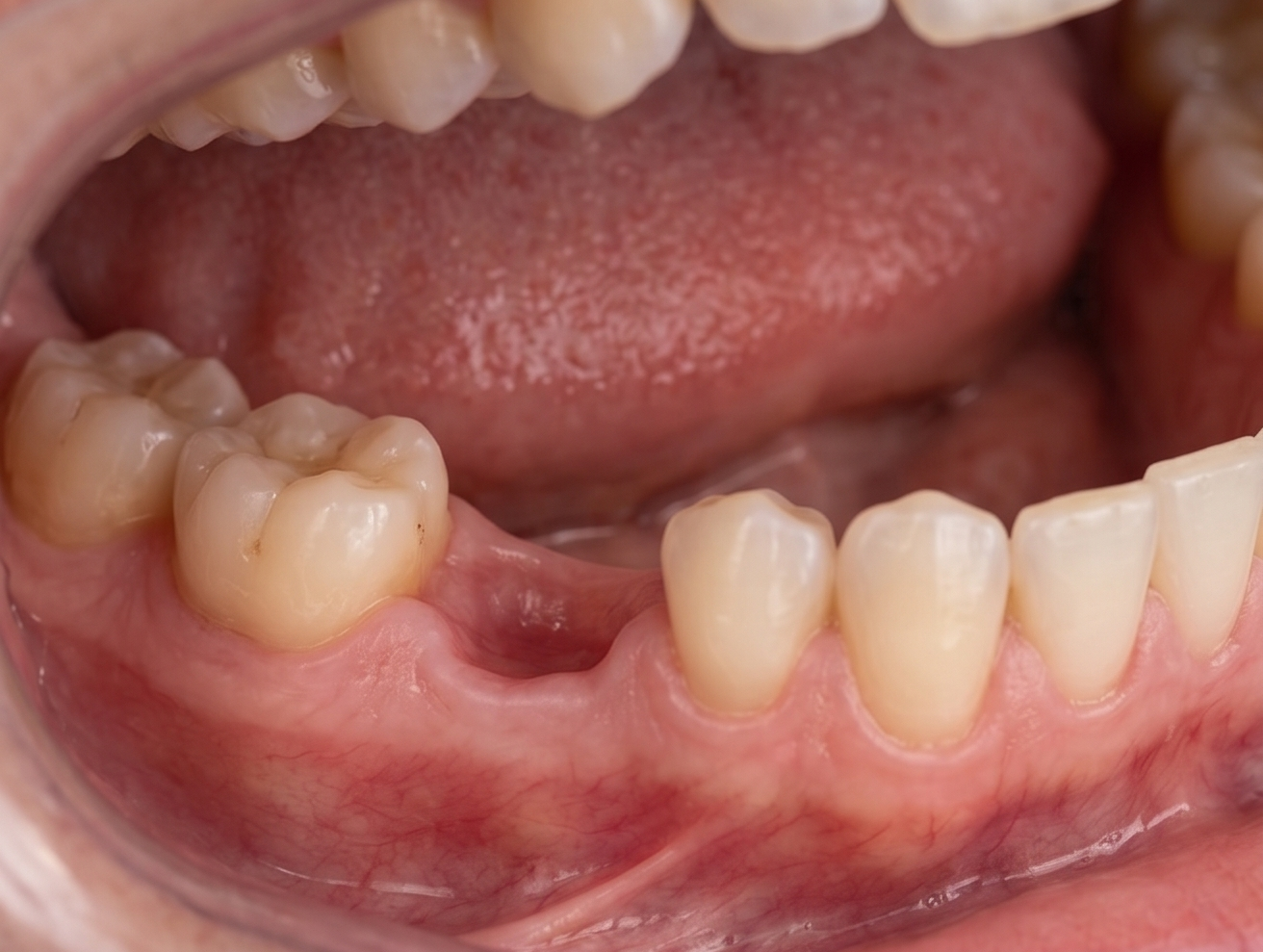
Real results from patients who chose Interceptive Orthodontics at our clinic.
Before After

Treatment Process
1
Assess Growth & Tooth Development

We review tooth eruption, crowding, jaw relationships, crossbites, habits and facial growth.

2
Decide Whether to Monitor or Treat

Most children do not need immediate orthodontic treatment. Treatment begins only when earlier intervention is expected to provide a meaningful benefit.

3
Select the Appropriate Appliance

Depending on the problem, treatment may involve an expander, partial braces, space guidance or another orthodontic appliance.

4
Monitor Growth & Progress

Follow-up appointments assess jaw development, tooth eruption, appliance effectiveness, comfort and oral hygiene.

5
Complete Early Treatment & Continue Monitoring

Once the early treatment objective has been achieved, growth and tooth development continue to be monitored. Comprehensive orthodontic treatment may still be required later.
Book Consultation
Protect the Position Achieved With Braces or Aligners
ORTHODONTIC RETAINERS IN PHUKET

Protect the Position Achieved With Braces or Aligners

Teeth can continue to move after orthodontic treatment. Retainers help maintain the positions created by braces or clear aligners while the surrounding tissues adapt and as the mouth continues to change over time. Depending on your treatment, retention may involve removable clear retainers, wire retainers, fixed bonded retainers or a combination. Long-term retainer wear is commonly recommended because teeth can continue to shift throughout life.

Custom
Made From Final Position
Fixed or Removable
Options Available
Long-Term
Retention Matters
Reviewed
Fit & Condition Monitored
  • Helps maintain tooth position after braces or aligners
  • Reduces orthodontic relapse
  • Allows retention to be personalised to the original tooth movement
  • Fixed and removable options can be combined where appropriate
  • Lost, damaged or poorly fitting retainers can be replaced
  • Long-term review helps protect the orthodontic result
Patient Results

Before & After

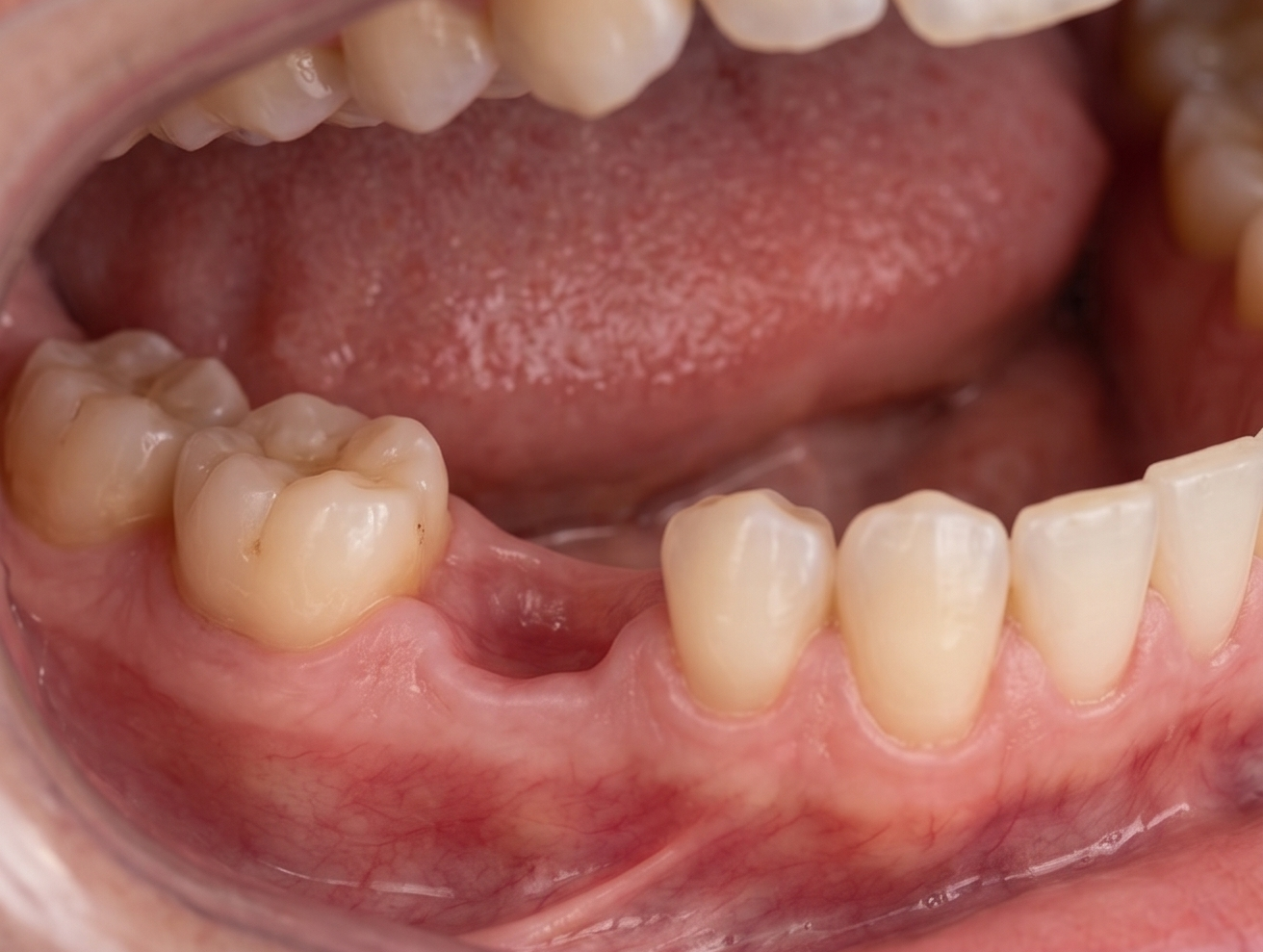
Real results from patients who chose Orthodontic Retainers at our clinic.
Before After

Treatment Process
1
Record the Final Tooth Position

A digital scan or impression captures the final position of the teeth and bite after active orthodontic treatment.

2
Select the Retainer Type

Fixed, clear removable, wire or combined retention is selected according to the treatment and individual needs.

3
Fit & Check

The retainer is checked for fit, comfort and appropriate seating.

4
Follow the Prescribed Wear Schedule

You receive individual instructions for wear, cleaning and storage.

5
Review & Replace When Required

Contact the clinic if your retainer breaks, feels unusually tight, becomes distorted or stops fitting properly.

Book Consultation
Common Questions

Frequently Asked Questions

Answers to the questions our patients ask most before their orthodontic dentistry consultation.

No fixed age automatically makes someone too old for orthodontic treatment. Adult treatment depends more on gum health, bone support, tooth condition, existing restorations and the type of movement required. Some adult cases may require coordination with periodontal, restorative or implant treatment.

Both can be effective when matched to the appropriate case. Metal braces are fixed and offer detailed control across a broad range of tooth movements. Invisalign and clear aligners are removable and discreet but depend heavily on consistent wear and may not be equally suitable for every complex movement. Your bite and treatment objectives should determine the appliance rather than appearance alone.

Both can work well when matched to the right problem. Aligners depend heavily on wear time and may be less predictable for some complex movements. Braces are fixed and can manage a broad range of bite problems. The diagnosis, not appearance alone, should choose the appliance.

Treatment duration varies considerably. It depends on the severity of crowding or bite problems, type of movement, biology, appliance type, missed appointments, broken appliances and aligner wear. You will receive an estimated treatment time after your orthodontic assessment, but timing cannot be guaranteed.

Invisalign generally recommends wearing aligners for approximately 20–22 hours per day, removing them mainly for eating, drinking anything other than water and oral hygiene.

Pressure or temporary tenderness is common when braces are first fitted or adjusted and when new aligners are started. This usually settles as the mouth adapts. Contact the clinic if you experience severe or persistent pain, significant ulceration or a broken orthodontic appliance.

Invisalign is a specific brand of clear-aligner orthodontic treatment. “Clear aligners” is the broader term for removable transparent orthodontic trays produced by different systems. Your dentist or orthodontic provider can explain which systems are available and whether they are appropriate for your case.

By around age 7, children usually have a mixture of baby and permanent teeth that allows developing tooth and jaw relationships to be assessed. The American Association of Orthodontists (AAO) recommends a first orthodontic check-up no later than this age. Most children do not require immediate treatment; many are simply monitored until the appropriate time.

Yes. Teeth can continue to shift after active orthodontic treatment, so retainers help maintain the corrected position. Long-term retention is commonly recommended, although the type and wear schedule should be personalised.

Not necessarily. Interceptive treatment is designed to address selected problems at a useful stage of growth. Some children will still require comprehensive braces or aligners after more permanent teeth erupt.

Yes. Teeth can continue to shift after active orthodontic treatment, so retainers help maintain the corrected position. Long-term retention is commonly recommended, although the type and wear schedule should be personalised.

Do not force a retainer that is painful or will not fully seat. Tightness may indicate tooth movement or distortion of the appliance. Contact the clinic so that the teeth and retainer can be assessed before further movement occurs.

Possibly, but orthodontic treatment requires ongoing clinical monitoring. If you do not live in Phuket, your travel schedule, availability for reviews and plans for continuing treatment should be discussed before treatment begins.

Yes. Tharish Dental Clinic is located in Sakhu, Thalang, near Phuket International Airport and Nai Yang and provides orthodontic consultations for braces, Invisalign, clear aligners, early orthodontics and retainers.
READY TO STRAIGHTEN YOUR SMILE?

Start With an Orthodontic Assessment

Not sure whether braces, Invisalign or another clear-aligner option is right for you? We will assess your teeth, gums and bite, discuss your goals and explain which orthodontic options are suitable before you decide how to proceed.