+66 83 821 6888 Mon–Sun: 9:00 AM – 8:00 PM Thailand
CHILDREN’S DENTIST IN PHUKET

Gentle Dental Care for
Growing Smiles

Positive early dental experiences can help children become more comfortable with dental care while giving parents the information they need to protect developing teeth. At Tharish Dental Clinic in Phuket, we use age-appropriate communication, child-paced appointments and prevention-focused care for babies, children and growing smiles. Located in Thalang near Phuket International Airport, Nai Yang and Sakhu.

Child-Paced Prevention First Parent-Friendly Growing Smiles
CHILDREN’S DENTAL SERVICES

Dental Care That Changes as Your Child Grows

Children’s dental needs change as baby teeth erupt, permanent teeth develop and the jaws continue to grow. We tailor care according to your child’s age, oral health, decay risk, development and ability to cooperate comfortably.
Make Dental Visits Familiar Before Treatment Is Needed
CHILD DENTAL CHECK-UP IN PHUKET

Make Dental Visits Familiar Before Treatment Is Needed

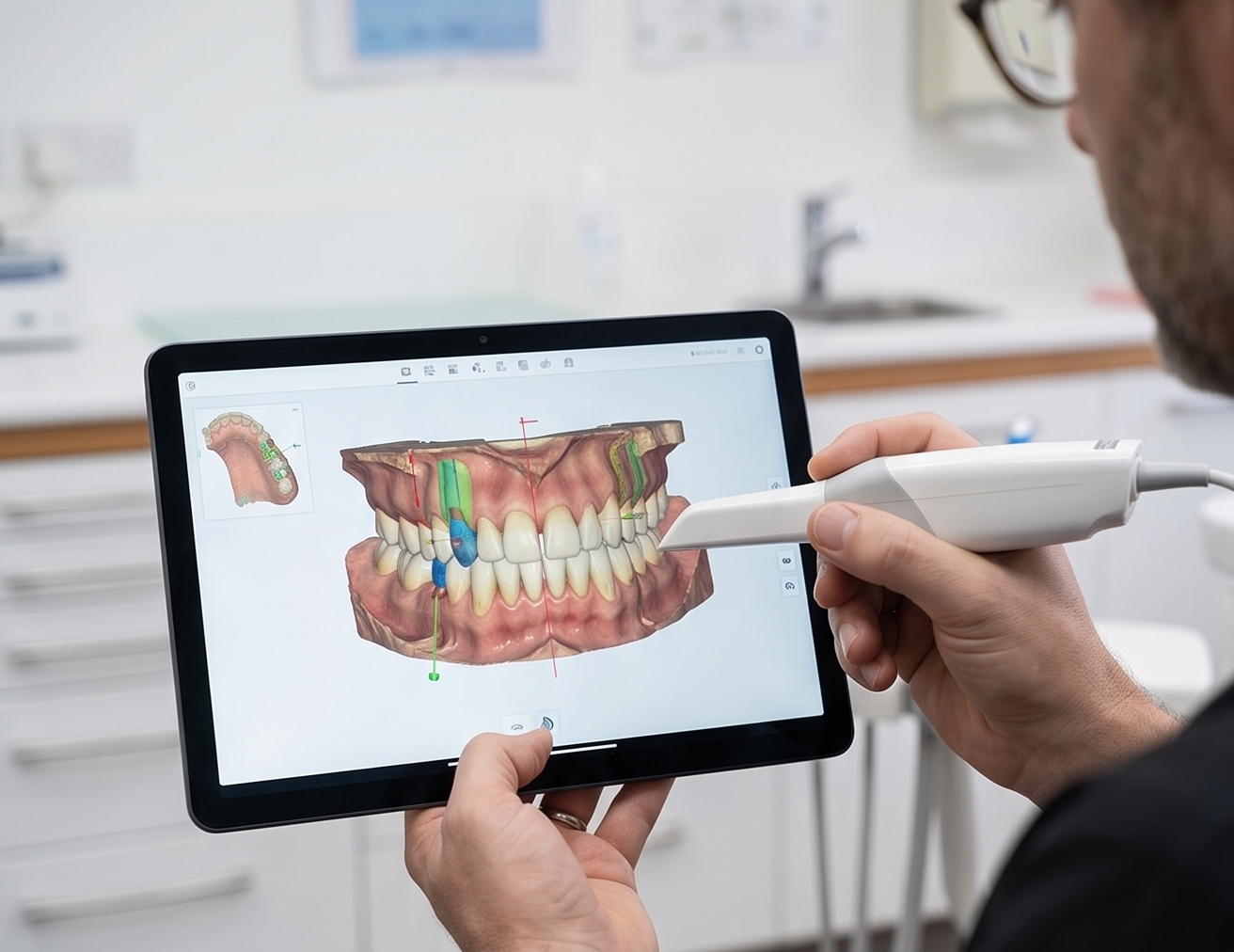
A child’s first dental appointments do not need to begin with a dental problem. Early visits allow the dentist to check tooth eruption, enamel, gums, bite and developing oral habits while helping children become familiar with the dental environment. Parents also receive practical guidance about brushing, fluoride, diet and future dental milestones. Major pediatric and dental organizations recommend establishing dental care by the child’s first birthday.

By Age 1
Recommended First Visit
Gentle
Child-Paced Examination
Preventive
Early Risk Assessment
Personalised
Recall Planning
  • Introduces the dental clinic before urgent treatment is needed
  • Checks baby teeth and developing permanent teeth
  • Identifies early decay and enamel concerns
  • Reviews brushing, fluoride, diet and oral habits
  • Monitors eruption, bite and jaw development
  • Creates a recall schedule based on the child’s individual risk
Patient Results

Before & After

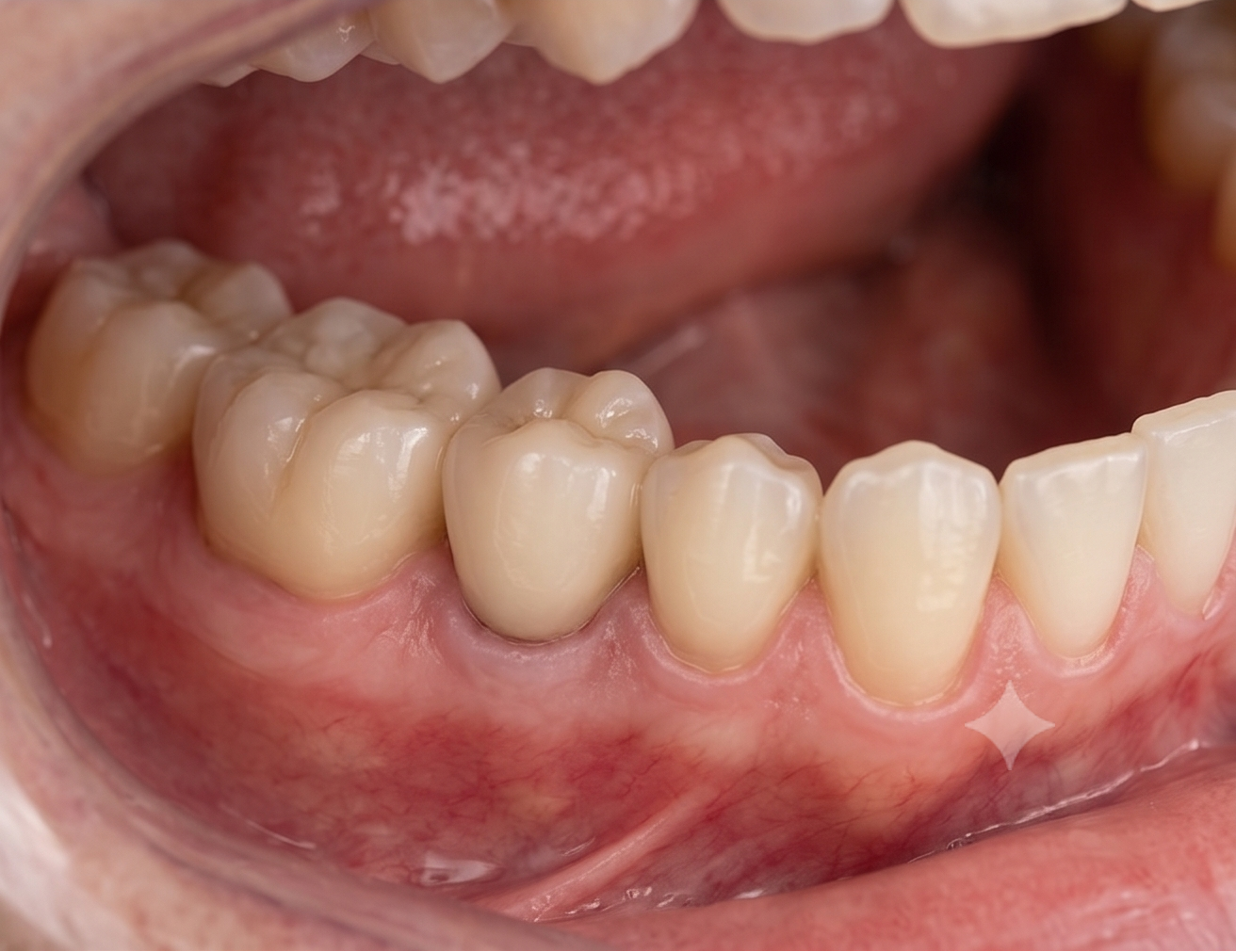
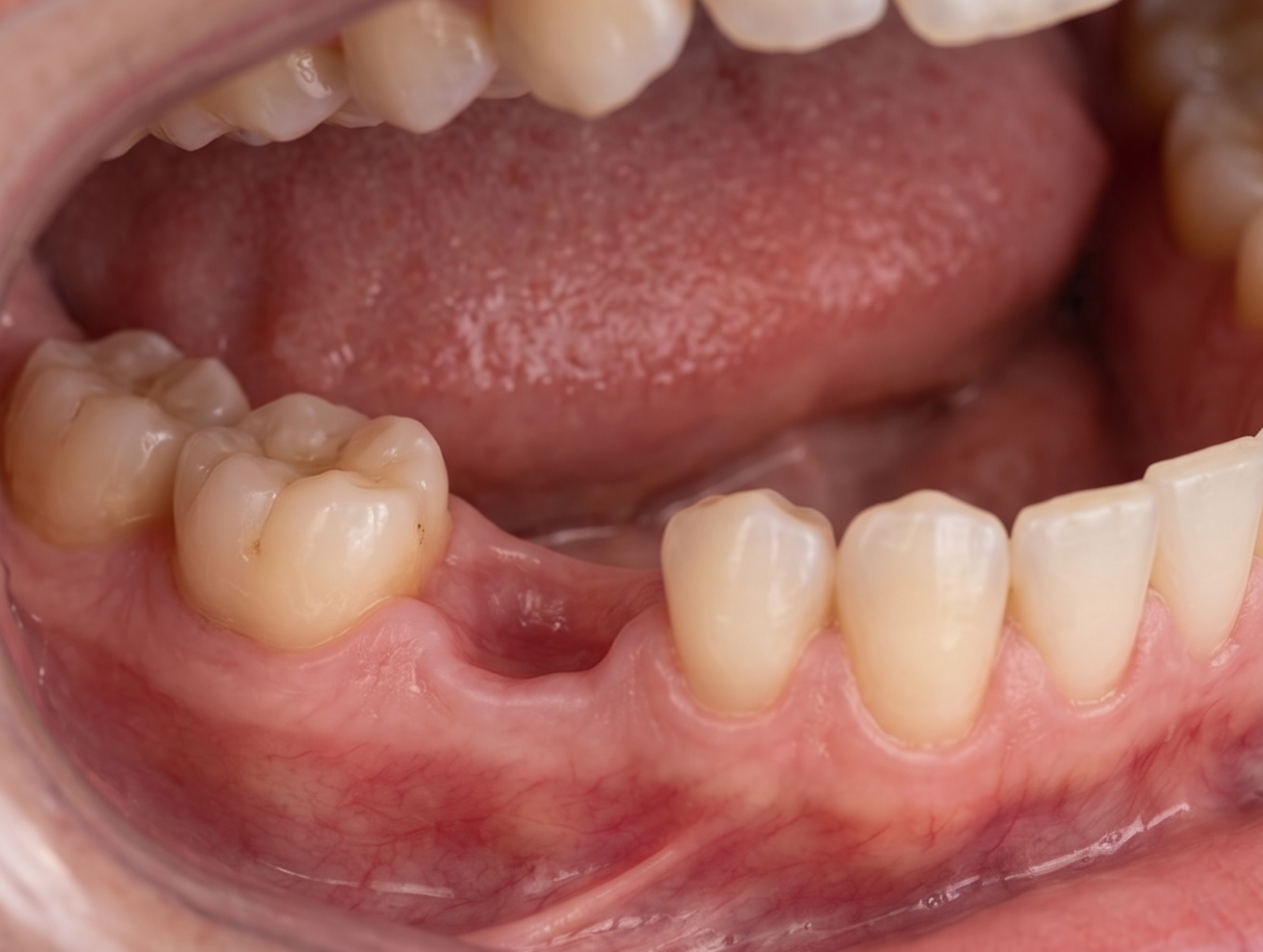
Real results from patients who underwent a Children's Dental Check-up at our clinic.
Before After

Treatment Process
1
Understand Your Child

We discuss medical history, previous dental experiences, habits, concerns and anything that may help your child feel more comfortable.

2
Make the Environment Familiar

The room and dental instruments are introduced using simple, age-appropriate language and at a pace your child can manage.

3
Examine Gently

We assess the teeth, gums, bite, tooth eruption and visible oral tissues. Dental imaging is recommended only when clinically appropriate.

4
Build Healthy Habits Together

We discuss brushing technique, fluoride toothpaste, snacks, drinks and other age-relevant oral-health habits with both parent and child.

5
Celebrate Progress & Plan Ahead

Your child receives positive encouragement, while parents receive a clear plan for prevention, treatment when required and the next dental visit.
Book Consultation
Protect Young Teeth Before Cavities Become Bigger Problems
PREVENTIVE DENTISTRY FOR CHILDREN IN PHUKET

Protect Young Teeth Before Cavities Become Bigger Problems

Children’s teeth can be vulnerable to decay because oral habits, diet, tooth anatomy and enamel condition change throughout growth. Preventive care may include professional cleaning, fluoride varnish, fissure sealants and personalised home-care guidance according to your child’s age and cavity risk. The American Academy of Pediatric Dentistry (AAPD) supports professionally applied fluoride for children at risk of dental caries and recommends fluoride toothpaste twice daily using age-appropriate amounts.

Risk-Based
Individual Prevention Plan
Fluoride
When Clinically Appropriate
Sealants
Protect Vulnerable Grooves
Home Care
Parent & Child Coaching
  • Helps strengthen vulnerable tooth surfaces
  • Protects selected deep grooves with fissure sealants
  • Removes plaque and selected surface deposits
  • Identifies brushing areas that are frequently missed
  • Provides practical advice about snacks and drinks
  • Adjusts prevention as permanent teeth erupt and cavity risk changes
Patient Results

Before & After

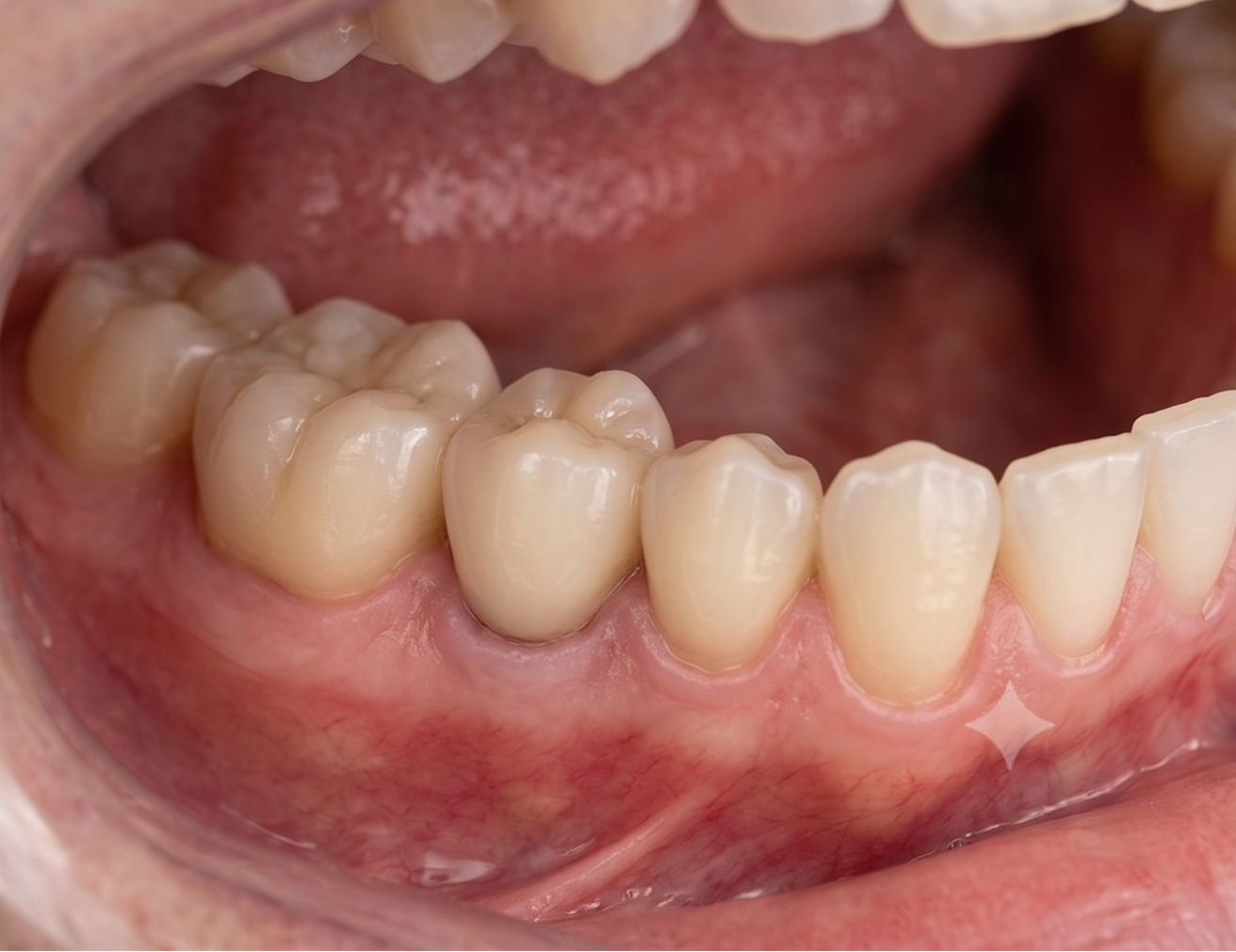
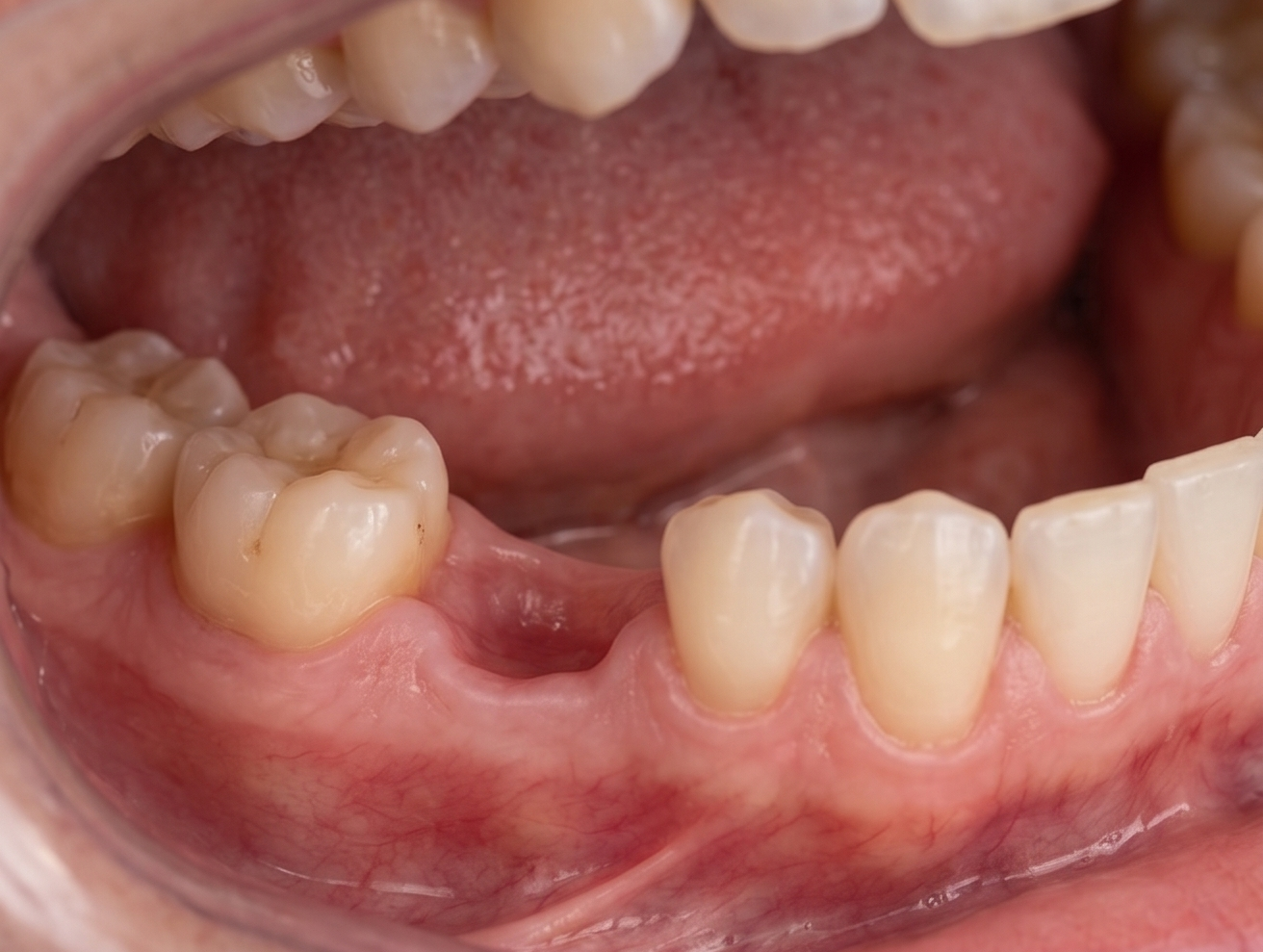
Real results from patients who chose Preventive Dental Care at our clinic.
Before After

Treatment Process
1
Assess Cavity Risk

We review previous decay, tooth anatomy, enamel condition, diet, cleaning habits, fluoride exposure and relevant medical factors.

2
Clean & Check the Teeth

Plaque and selected surface deposits are removed when appropriate, and brushing technique is reviewed with the child and parent.

3
Strengthen Vulnerable Enamel

Fluoride varnish may be recommended according to age and decay risk.

4
Protect Deep Grooves

Fissure sealants may be recommended for suitable molars with grooves that are difficult to clean effectively. Evidence-based AAPD/ADA guidance supports sealants for selected primary and permanent molars in children and adolescents.

5
Review & Adapt the Plan

As new teeth erupt and habits change, the preventive plan and recall interval are adjusted according to current risk.
Book Consultation
Treat Deep Decay & Preserve a Useful Baby Tooth When Possible
BABY TOOTH PULP THERAPY IN PHUKET

Treat Deep Decay & Preserve a Useful Baby Tooth When Possible

Baby teeth play important roles in chewing, speech and maintaining space for developing permanent teeth. When deep decay or trauma affects the pulp inside a baby tooth, treatment may be considered if the tooth remains restorable and keeping it provides a clinical benefit. The exact procedure depends on the condition of the pulp, the tooth, surrounding tissues and how long the tooth is expected to remain before natural loss.

Diagnosis First
Pulp Condition Assessed
Tooth-Saving
When Appropriate
Comfort
Local Anaesthesia When Needed
Monitored
Until Natural Tooth Loss
  • Treats pain or inflammation inside a baby tooth
  • Helps preserve a useful primary tooth when appropriate
  • Supports chewing, speech and other functions.
  • Helps maintain space for the developing permanent tooth
  • Uses treatment matched to the condition of the dental pulp
  • Includes follow-up to monitor symptoms and the restoration
Patient Results

Before & After

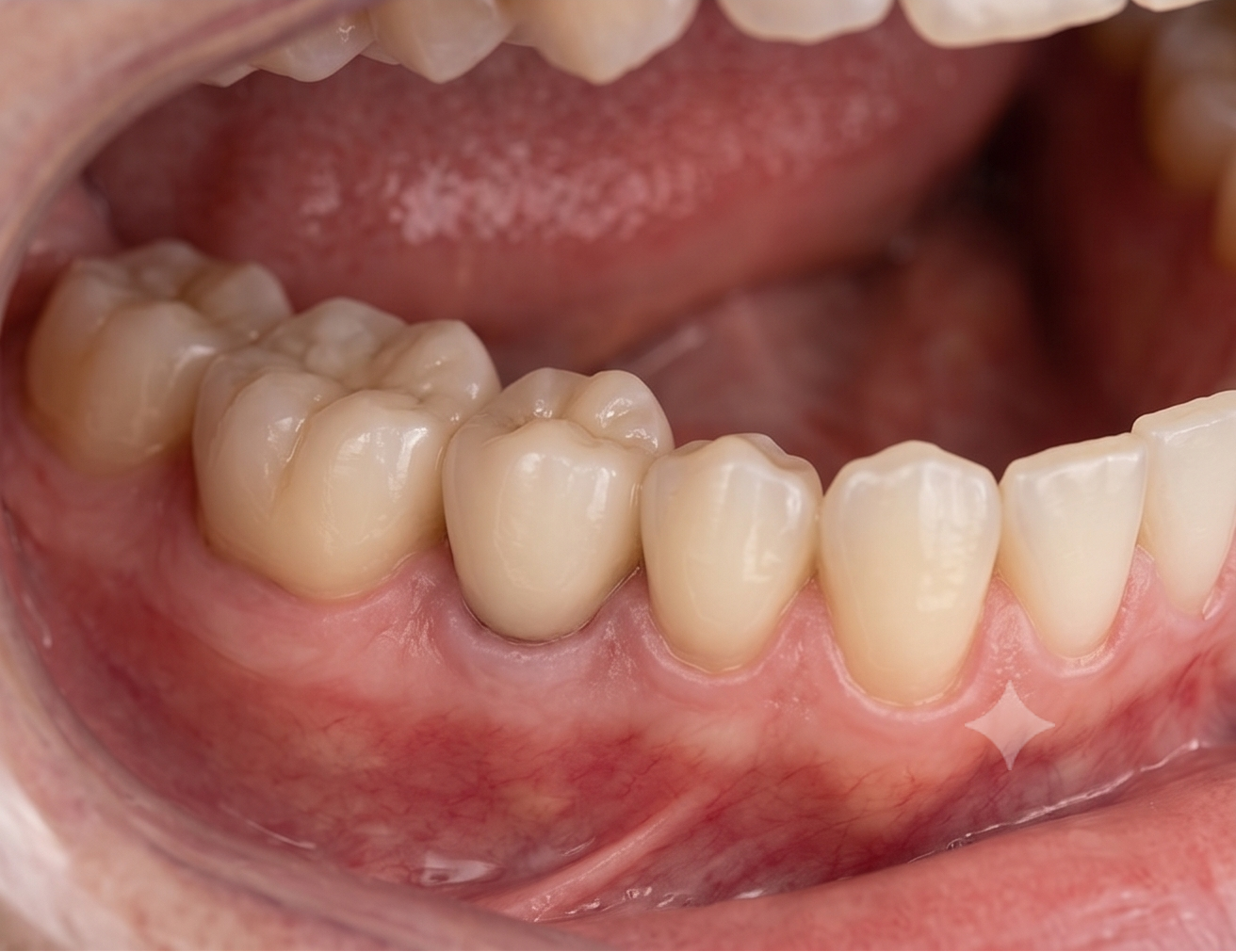
Real results from patients who chose Pulp Therapy for Primary Teeth at our clinic.
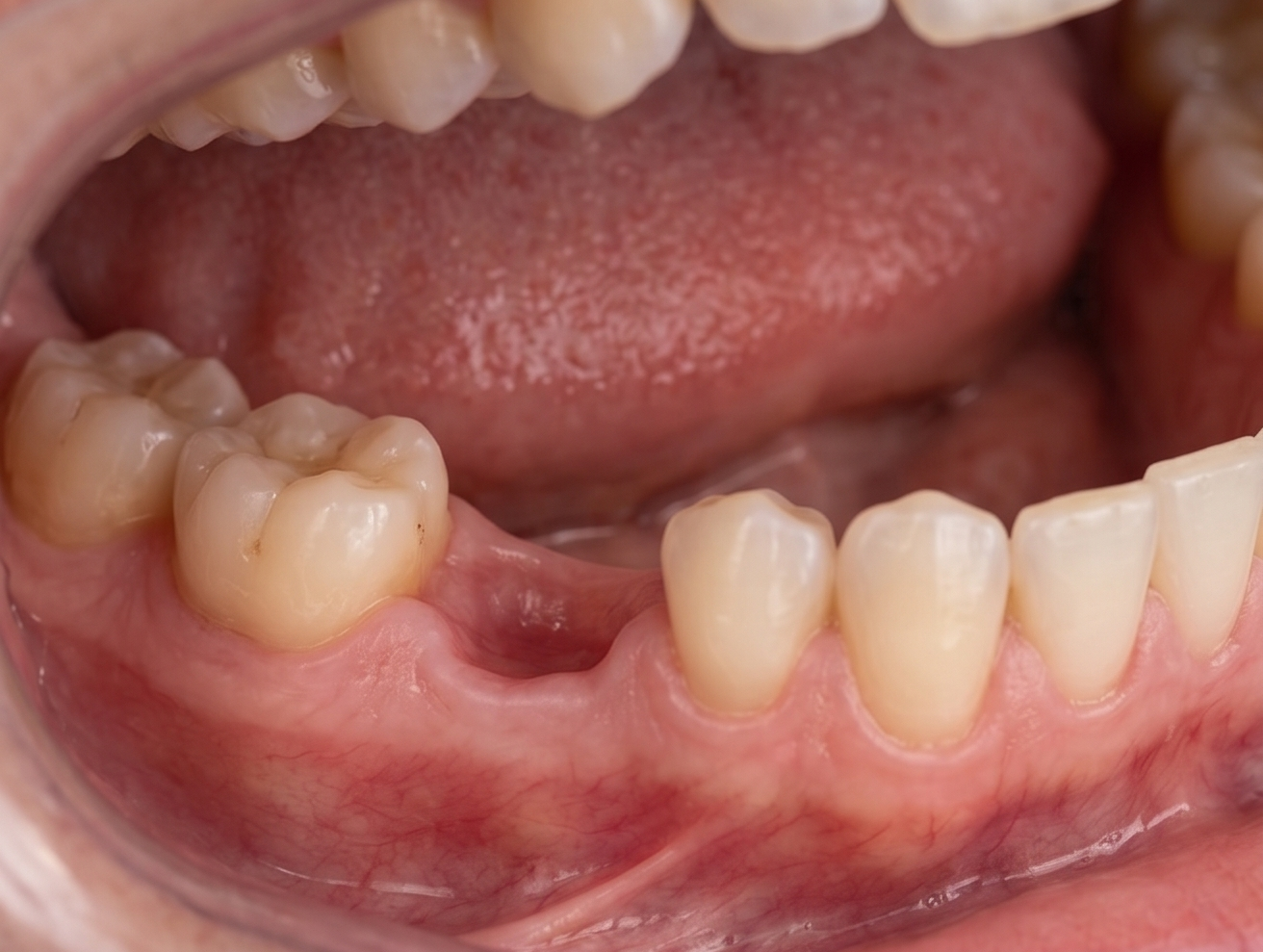
Before After

Treatment Process
1
Diagnose the Tooth & Pulp

Symptoms, examination and appropriate dental imaging help determine the condition of the tooth and pulp tissue.

2
Explain the Options to the Parent

We discuss the importance of the tooth, available treatment options, comfort measures, alternatives and expected follow-up.

3
Numb & Isolate the Tooth

Local anaesthesia is used when required, and appropriate isolation helps maintain a clean treatment environment.

4
Treat & Restore

Depending on the diagnosis, affected pulp tissue is protected or removed and the tooth is sealed with an appropriate restoration.

5
Monitor the Tooth

Follow-up assesses comfort, signs of infection, the restoration and changes as the permanent tooth develops.
Book Consultation
Guide Selected Bite & Growth Problems at the Right Stage
EARLY ORTHODONTIC TREATMENT IN PHUKET

Guide Selected Bite & Growth Problems at the Right Stage

Some orthodontic and bite problems are best assessed while a child is still growing. In selected cases, a functional or removable orthodontic appliance may be used to address a specific jaw relationship, crossbite, arch-width, eruption or oral-habit concern. Not every child requires early orthodontic treatment. Timing, diagnosis and cooperation are essential, and some children will still require comprehensive braces or clear-aligner treatment later.

Growth-Based
Timing Matters
Selective
Only When Indicated
Custom
Appliance Planning
Monitored
Growth & Progress Reviewed
  • Identifies selected bite and jaw-development problems early
  • Uses growth timing when it provides a clinical advantage
  • May help guide arch development or selected jaw relationships
  • Can assist with certain oral habits or eruption problems
  • May simplify later orthodontic treatment in selected cases
  • Provides parents with clear wear, cleaning and progress guidance
Patient Results

Before & After

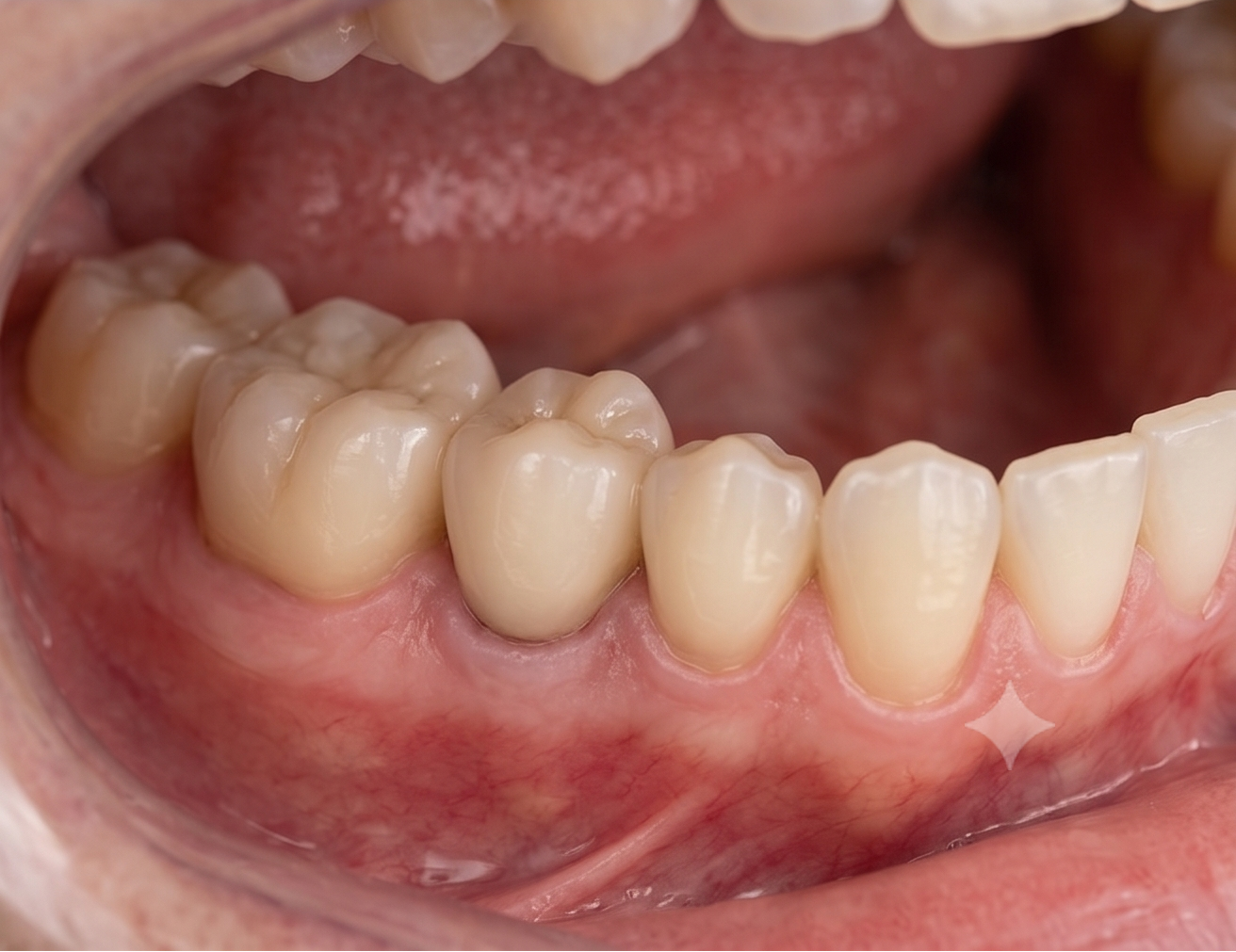
Real results from patients who chose Functional Orthodontic Appliances at our clinic.
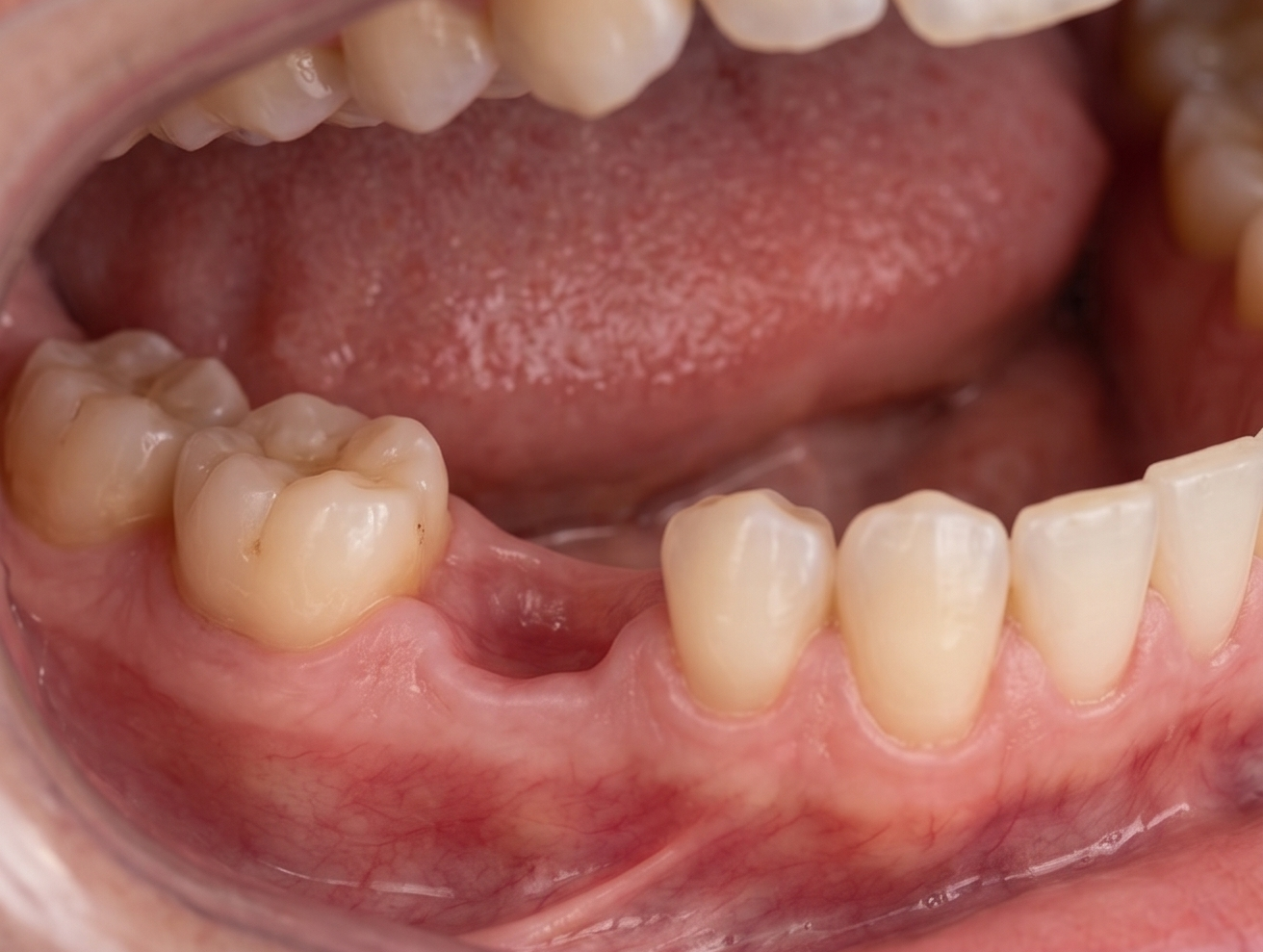
Before After

Treatment Process
1
Assess Growth & Bite Development

We evaluate jaw relationships, tooth eruption, crowding, crossbites, oral habits and the child’s stage of dental development.

2
Decide Whether Treatment Is Needed Now

Many developing orthodontic concerns are monitored rather than treated immediately. An appliance is recommended only when treatment at the current developmental stage is expected to provide a meaningful benefit.

3
Select the Appropriate Appliance

Digital scans, dental records and bite assessment help plan an appliance suited to the specific treatment objective.

4
Fit, Teach & Monitor

The child and parent learn how the appliance should be worn, inserted, removed and cleaned. Regular reviews assess comfort, cooperation and treatment progress.

5
Complete Early Treatment & Plan the Next Stage

Once the initial objective is achieved, the child may move into monitoring, retention or later comprehensive orthodontic treatment if required.

Book Consultation
Common Questions

Frequently Asked Questions

Answers to the questions our patients ask most before their pediatric dentistry consultation.

A child’s first dental visit is recommended when the first teeth begin appearing and no later than the first birthday. Early appointments are usually preventive and provide an opportunity to assess tooth development, feeding and cleaning habits while helping the child become familiar with the dental environment.

There is no single interval that is appropriate for every child. The recommended schedule depends on cavity risk, previous dental disease, enamel condition, diet, oral hygiene, fluoride exposure, medical history and stage of development. Six-monthly appointments are common, while children at greater risk may require more frequent review.

Tell us about previous dental experiences and anything that helps your child feel comfortable before the appointment. We use child-friendly language, introduce instruments gradually, allow appropriate breaks and adapt the visit to the child’s level of cooperation. If a child requires treatment beyond what routine behaviour guidance can reasonably support, appropriate specialist or sedation options can be discussed.

Baby teeth contribute to chewing, speech and maintaining space for developing permanent teeth. A painful or infected baby tooth can affect eating, sleep and surrounding tissues. Whether treatment or extraction is appropriate depends on the tooth’s condition, restorability, root development and how close it is to natural loss.

Fluoride is widely used to help prevent dental decay when the amount and method of use are appropriate for the child. The AAPD supports twice-daily brushing with age-appropriate amounts of fluoride toothpaste and professional fluoride treatment for children according to cavity risk.

Fissure sealants are thin protective materials placed over selected deep grooves of the back teeth. These grooves can be difficult for toothbrush bristles to clean effectively. Sealants may be recommended for primary or permanent molars according to the tooth anatomy and cavity risk.

Pulp therapy is used when deep decay or trauma affects the tissue inside a primary tooth. Depending on the diagnosis, treatment may involve protecting healthy pulp, removing the affected portion or treating more extensively infected tissue before restoring the tooth. The aim is to retain a useful baby tooth when doing so is clinically appropriate.

Not every child requires early orthodontic treatment. An appliance may be considered when a specific bite, growth, crossbite, eruption or oral-habit problem is expected to benefit from treatment at the child’s current stage of development. Many children are simply monitored until comprehensive orthodontic treatment is more appropriate.

Not necessarily. Early treatment may address a specific developmental problem, but permanent teeth and jaw growth continue afterwards. Some children will still require braces, clear aligners or another form of comprehensive orthodontic treatment later.

Contact a dentist promptly. Management depends on whether the affected tooth is a baby tooth or permanent tooth and on the type of injury. For serious facial injury, heavy bleeding, loss of consciousness or other medical concerns, urgent medical assessment may also be required.

No. An appliance is recommended only for a diagnosed growth, bite, habit or eruption problem that can benefit at the child's current stage. Success depends on timing, wear, hygiene and reviews, and some children still need later comprehensive orthodontic treatment.

Yes. Families visiting Phuket can arrange dental assessments for check-ups, toothache, cavities, dental trauma and other concerns. Let us know how long you will remain in Phuket so that treatment and any follow-up requirements can be discussed.

Yes. Tharish Dental Clinic is located in Sakhu, Thalang, near Phuket International Airport and Nai Yang and provides dental care for children and families across North Phuket.
READY FOR YOUR CHILD’S NEXT DENTAL VISIT?

Help Build Healthy Dental Habits Early

Whether it is your child’s first dental visit, a routine check-up or a specific concern, we begin by understanding your child’s needs and making the appointment as manageable as possible. Parents receive clear information about dental health, prevention and any treatment options before deciding how to proceed.