Treatment Based on the Condition of Your Gums
Not every gum problem requires the same treatment. The appropriate approach depends on whether inflammation is limited to the gums, whether periodontal pockets and bone loss are present, whether recession has exposed tooth roots, and whether additional soft-tissue treatment would provide a clinical benefit.
Control Inflammation Before More Support Is Lost
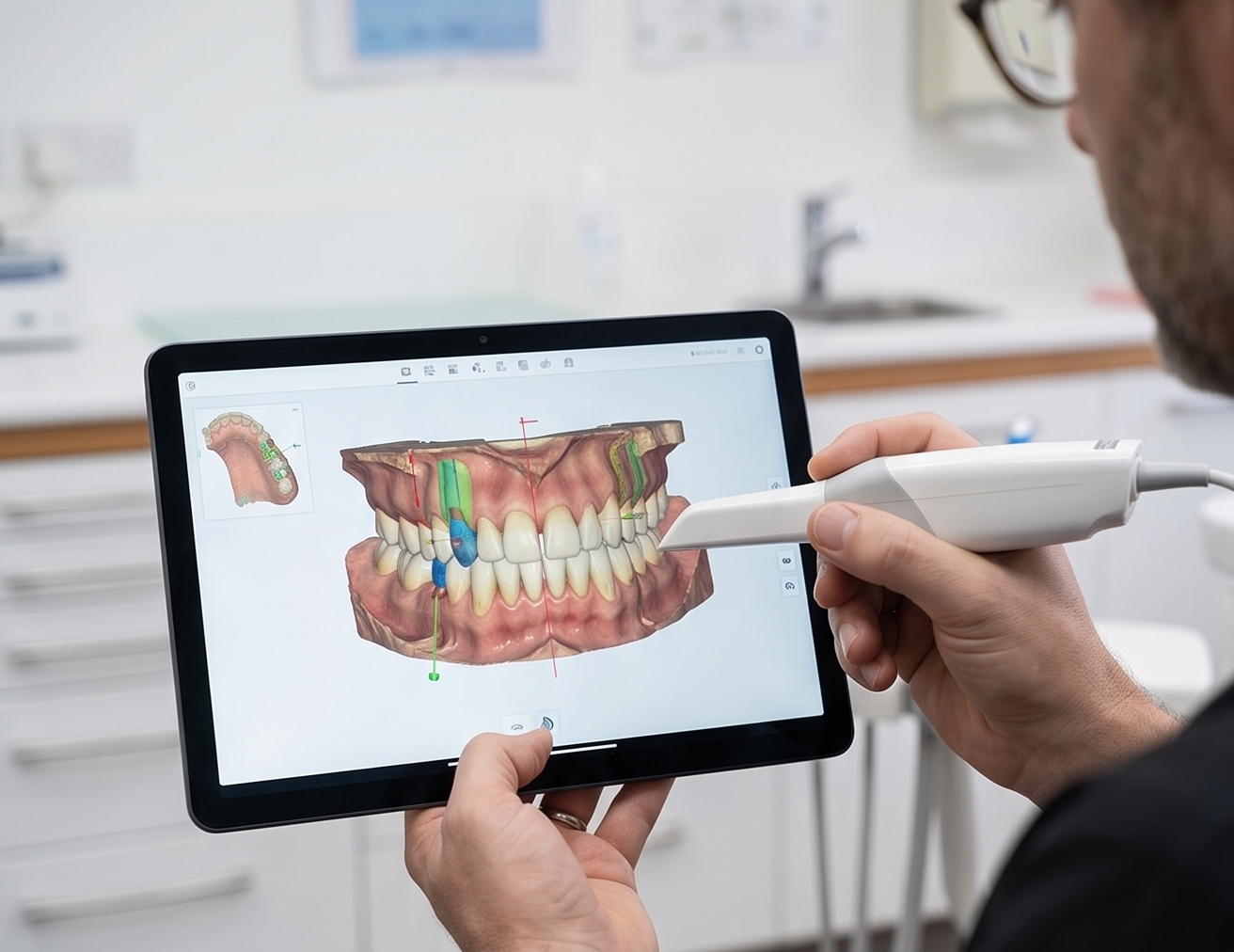
Gum disease ranges from gingivitis—early inflammation of the gums—to periodontitis, where the supporting tissues and bone around the teeth can be damaged. Common signs can include bleeding gums, swelling, persistent bad breath, gum recession, deeper periodontal pockets or increasing tooth mobility. Treatment begins by identifying the extent of the disease, reducing bacterial deposits and improving the daily factors that influence gum health. NIDCR notes that untreated periodontal disease can eventually affect the bone supporting the teeth and contribute to tooth loosening or loss.
- Reduces plaque and calculus associated with gum inflammation
- Helps control bleeding and swelling
- Identifies deeper periodontal pockets requiring treatment
- Monitors bone and tissue support around teeth
- Addresses relevant risk factors such as smoking and diabetes
- Creates an individual periodontal-maintenance plan
- Helps protect natural teeth and implant-supported restorations
Before & After
Real results from patients who underwent a Gum Disease Treatment at our clinic.
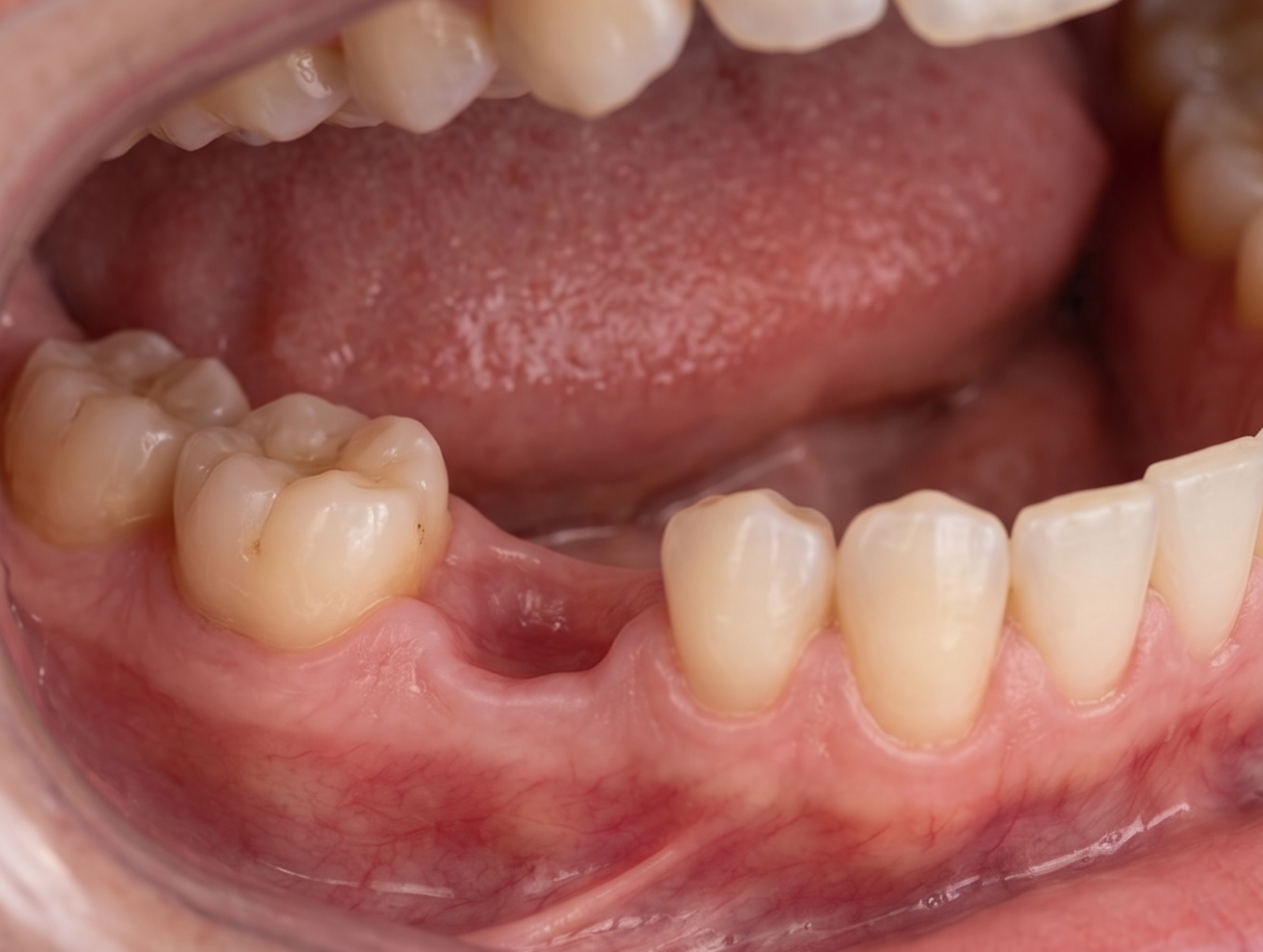
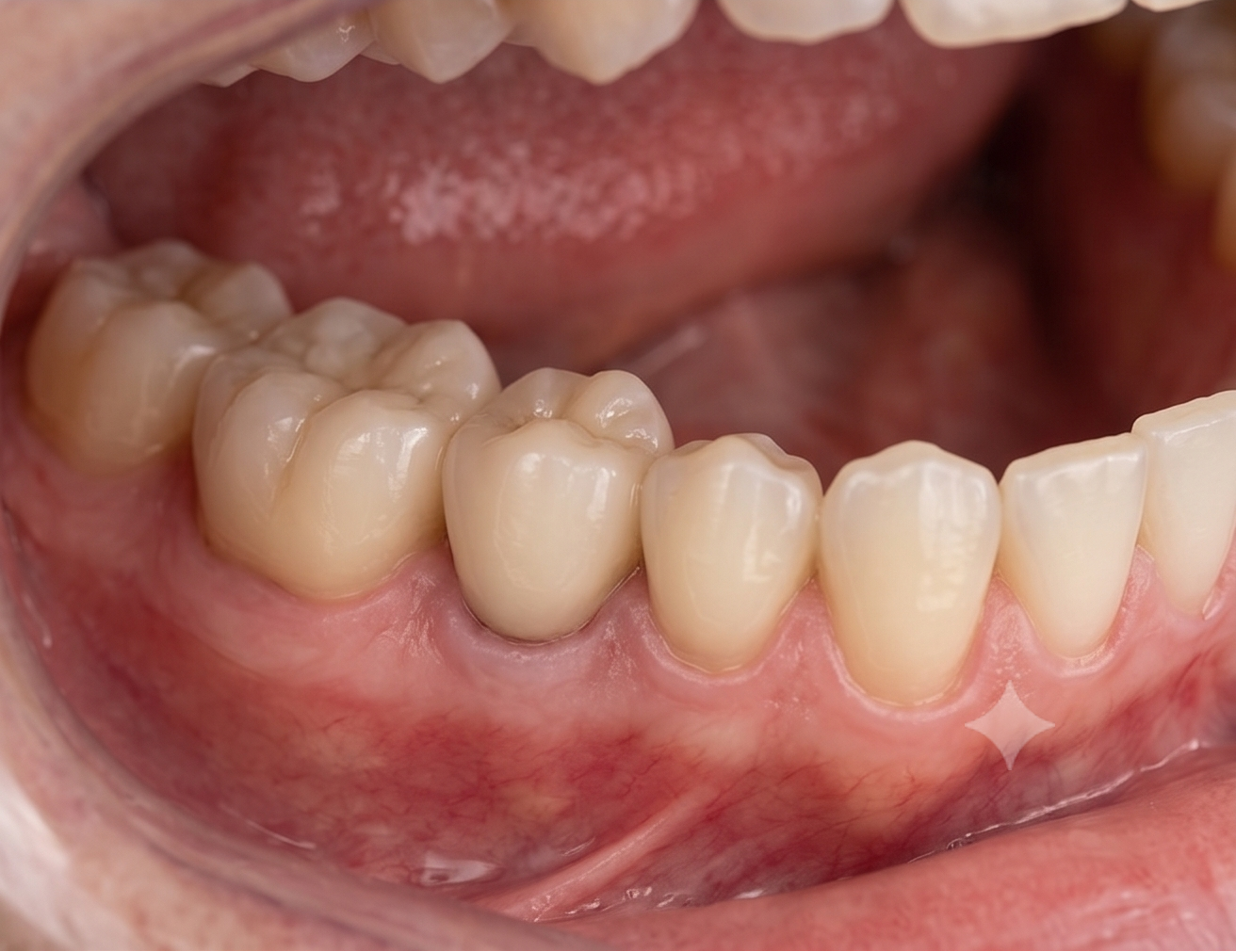
We assess periodontal pocket depth, bleeding, recession, tooth mobility, plaque levels and relevant bone changes around the teeth and implants.
Home cleaning, smoking or tobacco use, relevant medical conditions and other factors that may influence periodontal health are reviewed.
Professional cleaning or scaling and root planing is recommended according to the depth and severity of the disease.
After an appropriate healing period, periodontal pockets, bleeding and oral hygiene are reviewed to determine which areas have stabilised.
Supportive periodontal visits are scheduled according to individual disease risk and response to treatment.
Clean Below the Gumline Where Routine Brushing Cannot Reach
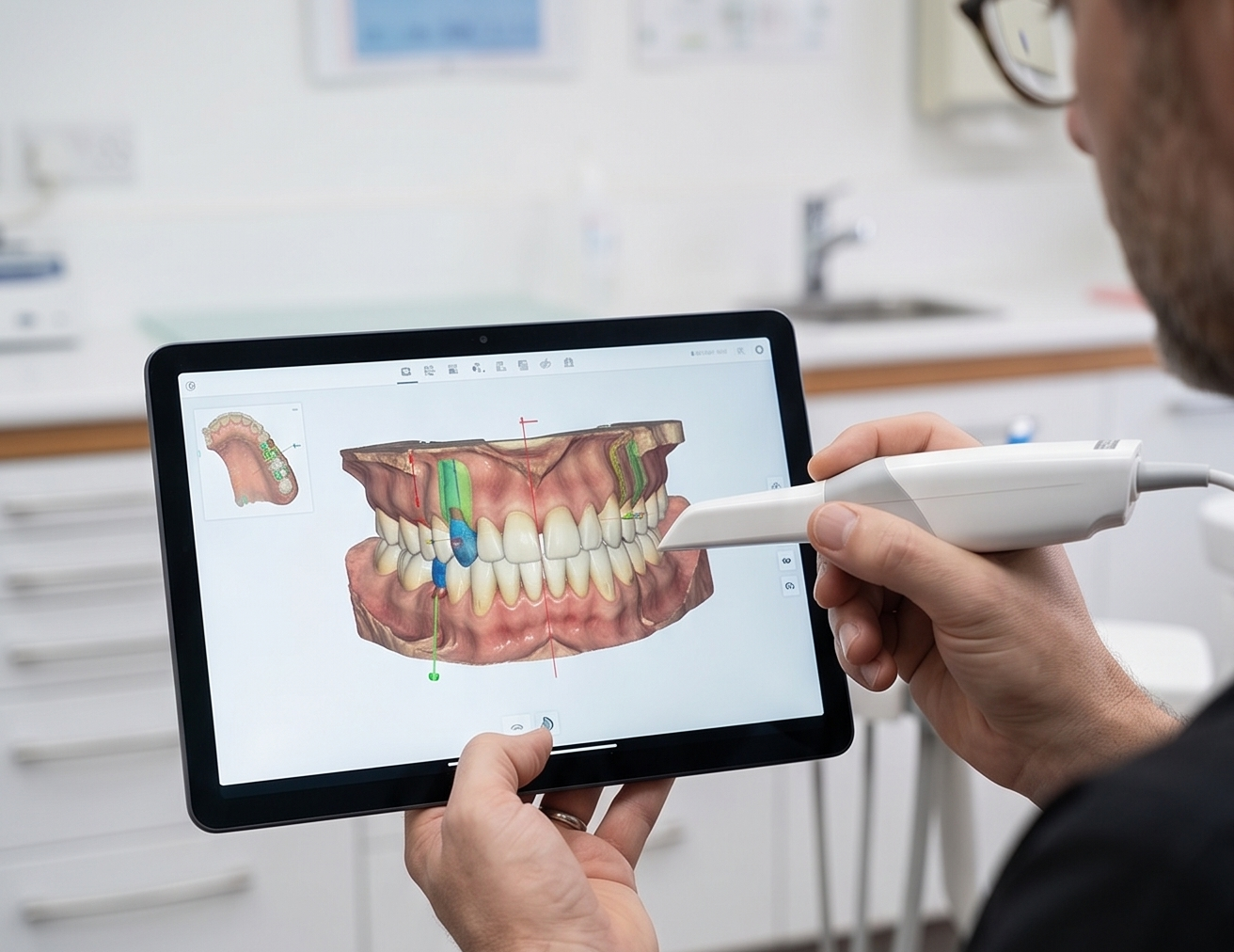
Scaling and root planing—often called deep cleaning—is a non-surgical periodontal treatment used when bacterial deposits and calculus are present beneath the gumline and within deeper periodontal pockets. The treatment carefully cleans affected tooth and root surfaces to reduce the bacterial deposits contributing to gum inflammation. The American Dental Association (ADA) recommends scaling and root planing as the initial nonsurgical treatment for periodontitis.
- Removes plaque and calculus from affected root surfaces
- Reaches deeper areas that routine cleaning cannot adequately access
- Helps reduce inflammation and bleeding
- Can improve the ability to clean around affected teeth
- Allows periodontal pockets to be reassessed after healing
- May stabilise many areas without surgical periodontal treatment
Before & After
Real results from patients who chose Scaling & Root Planing (Deep Cleaning) at our clinic.
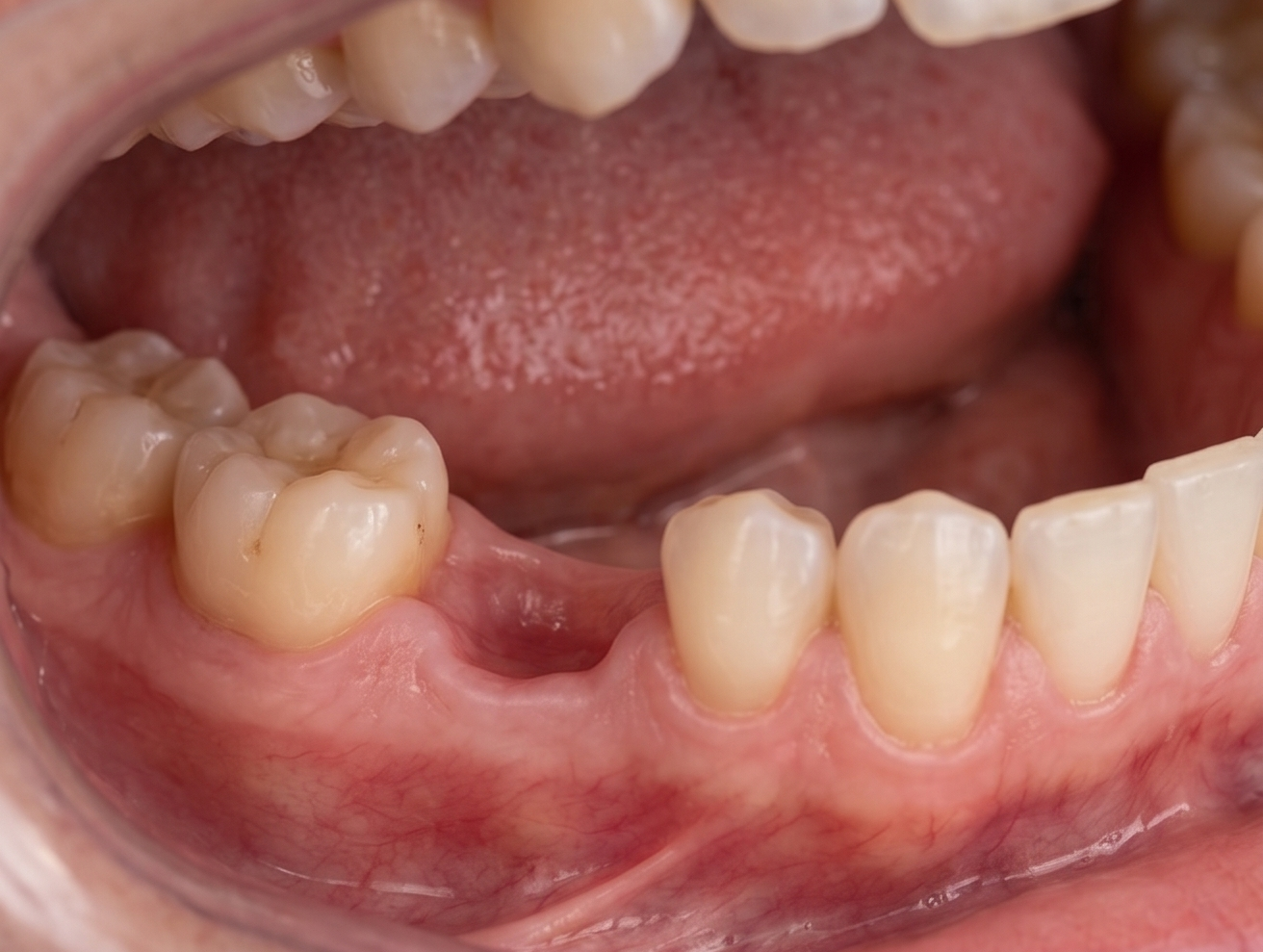
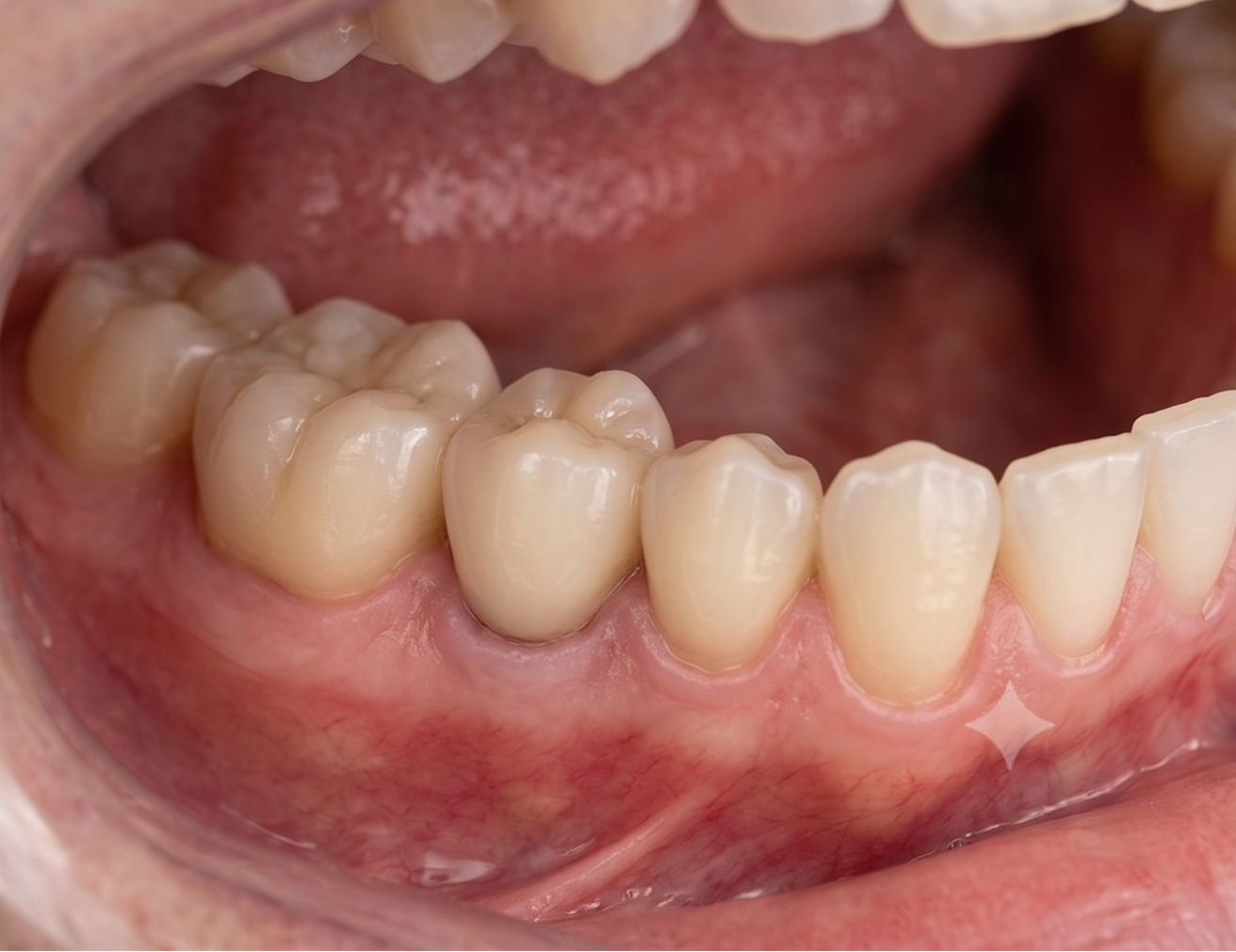
We assess pocket depth, bleeding, gum recession, plaque, tooth mobility and relevant dental imaging.
Treatment may be organised by individual sites or areas of the mouth according to disease severity and comfort requirements.
Ultrasonic and hand instruments are used to remove deposits from affected tooth and root surfaces. Local anaesthesia can be used when appropriate.
You receive personalised guidance about brushing, interdental cleaning, sensitivity and symptoms to monitor after treatment.
Periodontal pockets and bleeding are measured again. Stable areas enter maintenance, while persistent disease may require additional periodontal treatment.

Rebuild or Reshape Gum Tissue When Clinically Appropriate
Gum recession can expose tooth roots, increase sensitivity, make some areas more difficult to clean and affect the tissue surrounding teeth or dental restorations. Periodontal plastic surgery includes selected procedures designed to increase tissue thickness, cover exposed roots or reshape gum tissue when doing so provides a health, functional or aesthetic benefit. Gum graft surgery is an established treatment for selected exposed roots and may help reduce further recession and sensitivity.
- May cover selected exposed tooth roots
- Can increase tissue thickness in vulnerable areas
- May reduce root sensitivity
- Helps protect selected areas from further recession
- Can improve tissue contours around teeth and restorations
- May support restorative or implant treatment when soft-tissue position matters
Before & After
Real results from patients who chose Periodontal Plastic Surgery at our clinic.
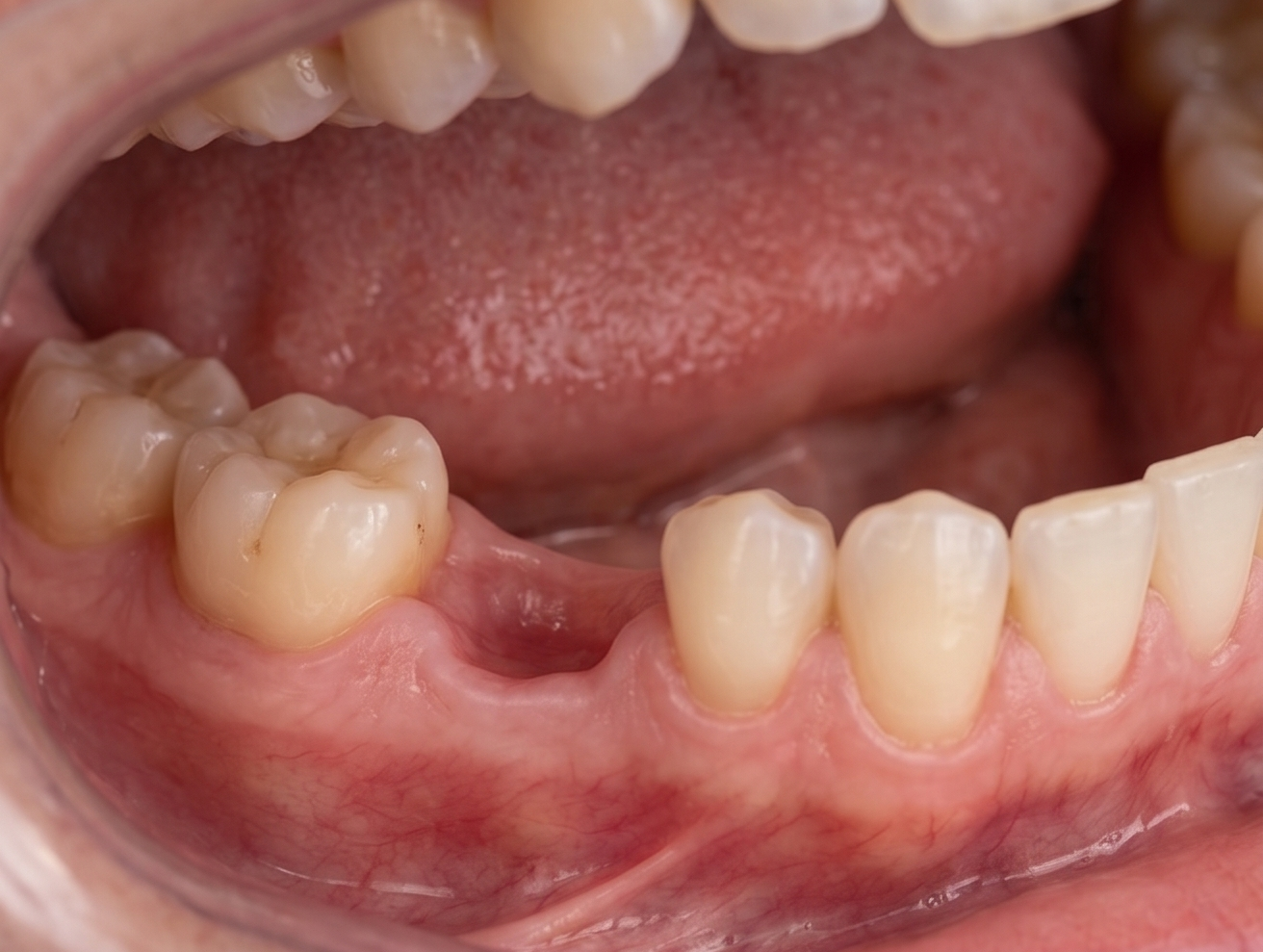
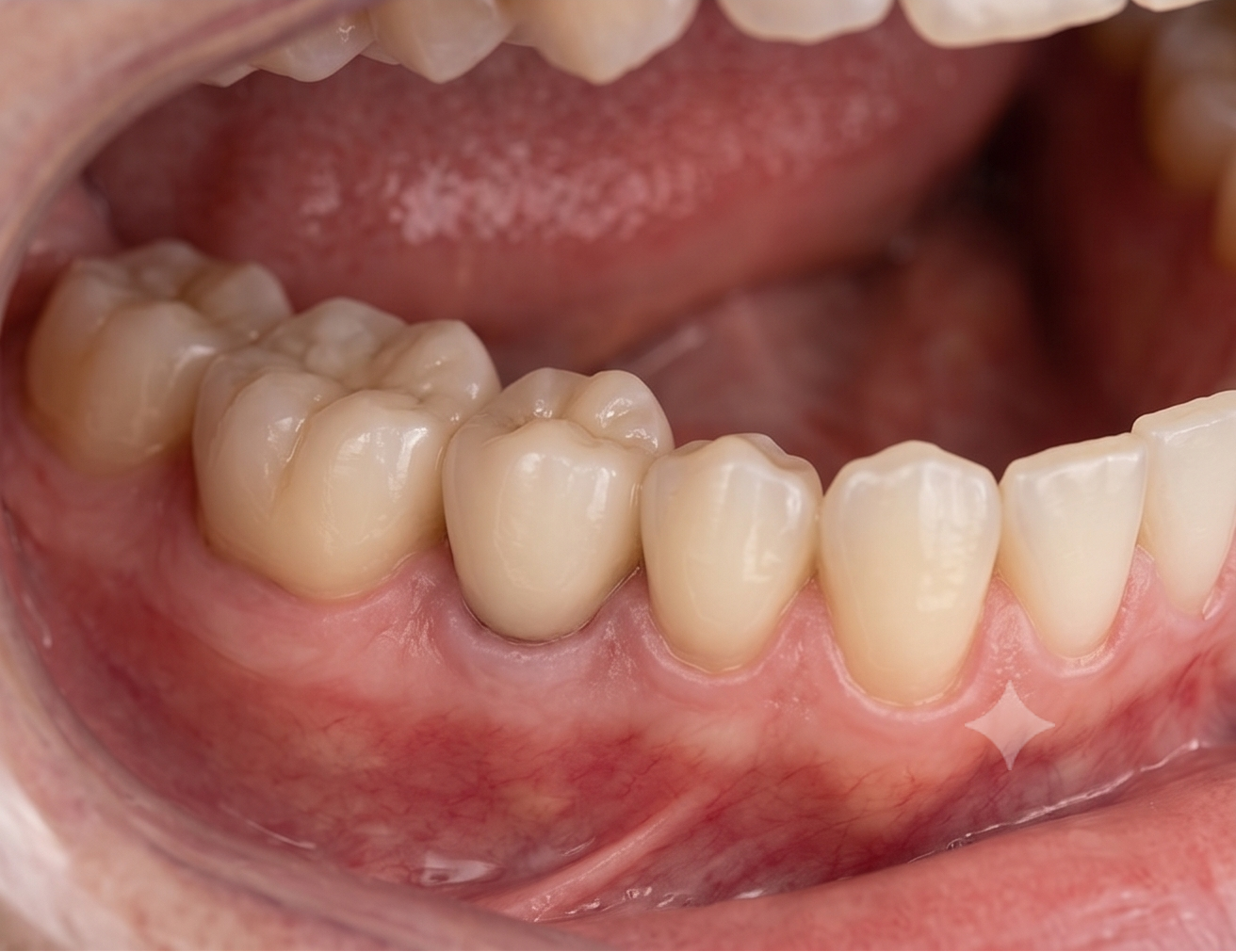
We assess recession depth, tissue thickness, tooth position, bone support, sensitivity and cleaning technique.
Monitoring, modification of cleaning technique and surgical options are compared before a procedure is recommended.
The technique is chosen according to whether the aim is root coverage, increased tissue thickness, contouring or support for another dental treatment.
The area is treated under local anaesthesia and carefully stabilised according to the selected procedure.
Cleaning, diet and activity instructions help protect the site while healing occurs. Longer-term reviews assess tissue stability, comfort and cleaning access.
A Precision Tool for Selected Gum & Soft-Tissue Procedures
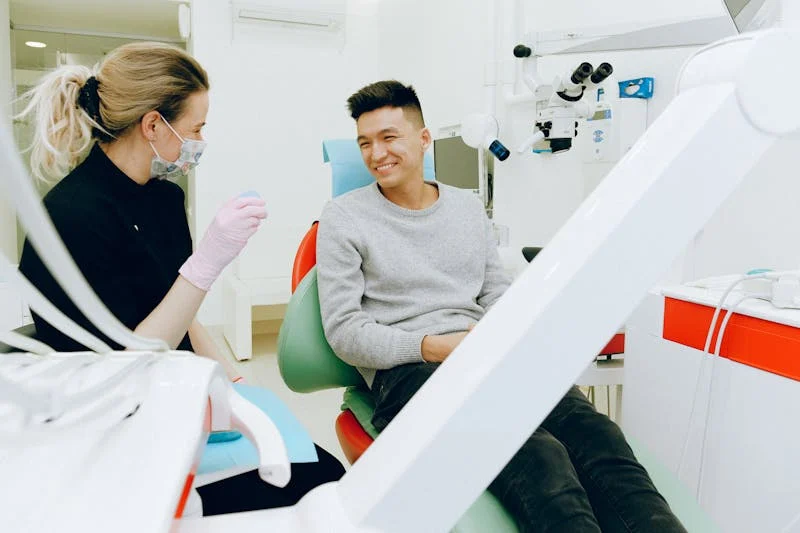
Dental lasers can be useful for selected soft-tissue procedures where focused treatment, contouring or bleeding control provides a clinical advantage. However, laser treatment is not automatically better than conventional periodontal care and does not replace proper diagnosis, plaque control, scaling and root planing when these treatments are required. We recommend laser use according to the individual procedure rather than using it as a stand-alone solution for every gum problem. American Dental Association (ADA) guidance supports scaling and root planing as first-line nonsurgical periodontal therapy, while evidence for several laser applications as adjuncts remains limited or procedure-specific.
- Selected gum contouring procedures
- Crown-lengthening related soft-tissue management
- Frenectomy where appropriate
- Selected soft-tissue decontamination
- Bleeding control during appropriate procedures
- Other periodontal soft-tissue procedures where clinically justified
Before & After
Real results from patients who chose Laser Dentistry at our clinic.
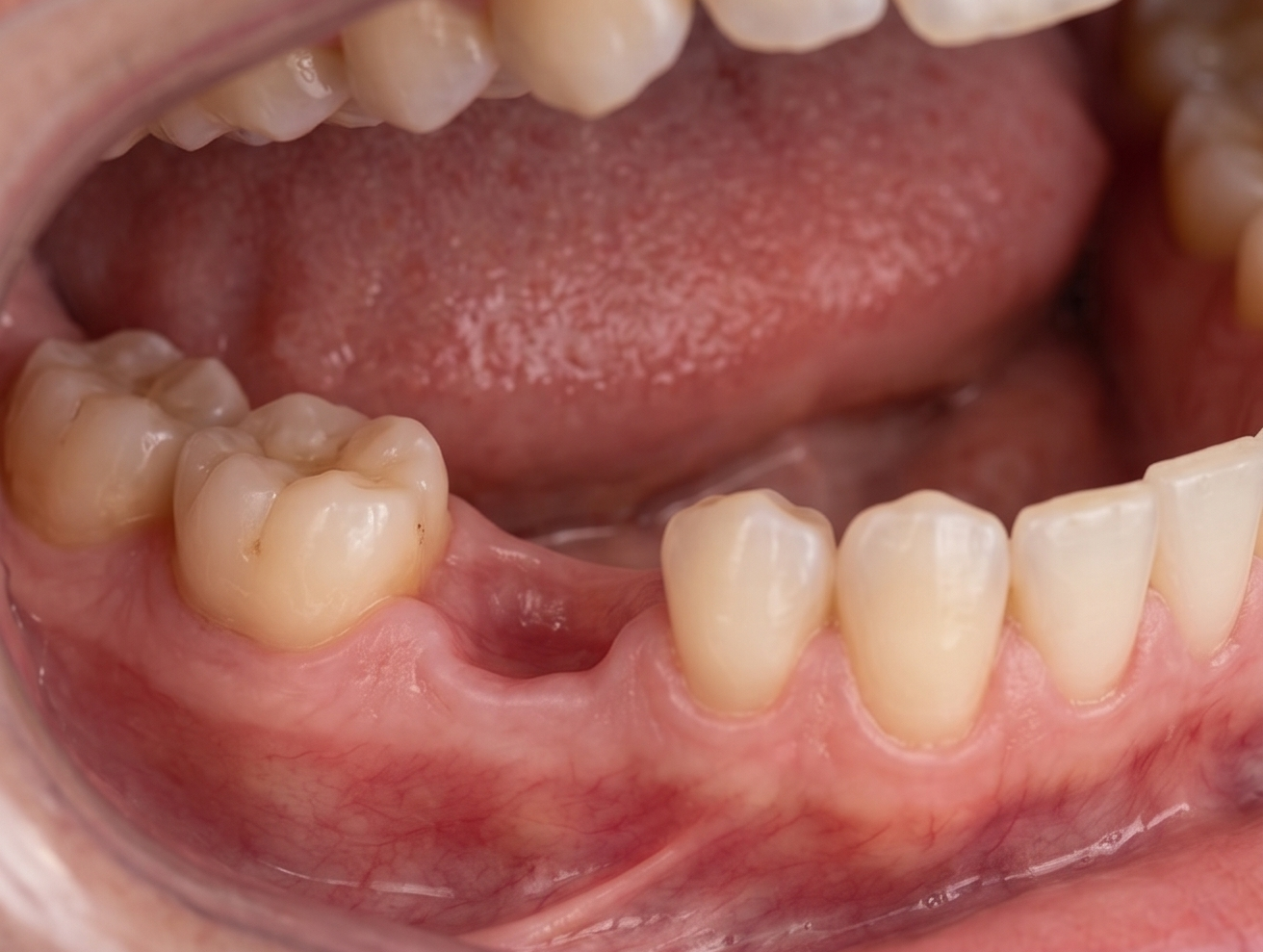
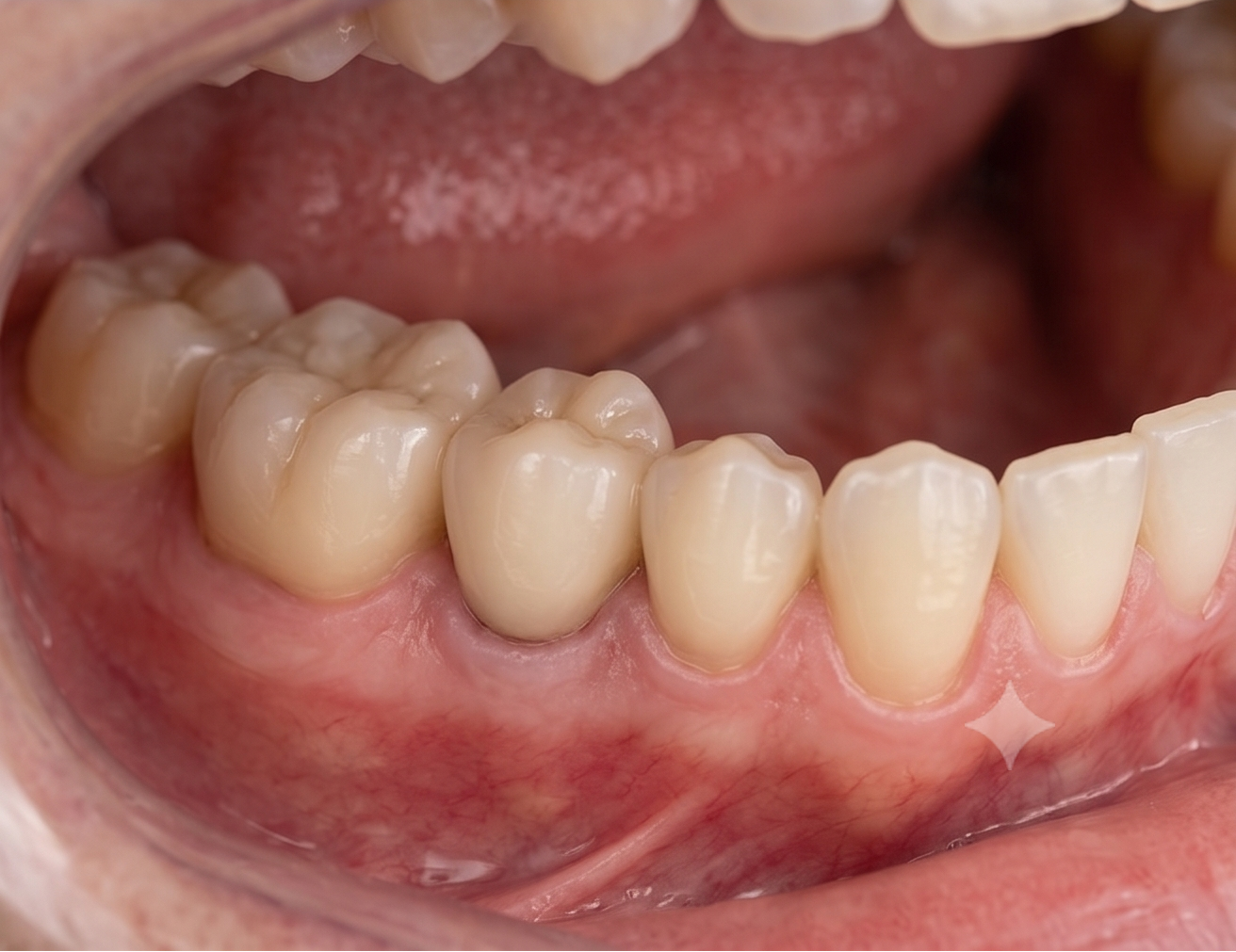
We identify the gum or soft-tissue problem before deciding whether a laser or conventional treatment is more appropriate.
Your dentist explains what the laser is intended to achieve, possible alternatives and expected aftercare.
Appropriate protective measures and local anaesthesia are used according to the procedure.
The laser is used in a controlled way according to the tissue and treatment objective.
Comfort, tissue response, oral hygiene and any ongoing periodontal care are reviewed after treatment.